Disclaimer: This article has been automatically aggregated from
While building a terrace in their backyard, a homeowner in Denmark discovered the treasure of a lifetime: more than 40 pounds (18.5 kilograms) of thousand-year-old silver buried in the ground. An analysis revealed that the finding is the country’s largest Viking Age (793 to 1066) silver hoard known to researchers.
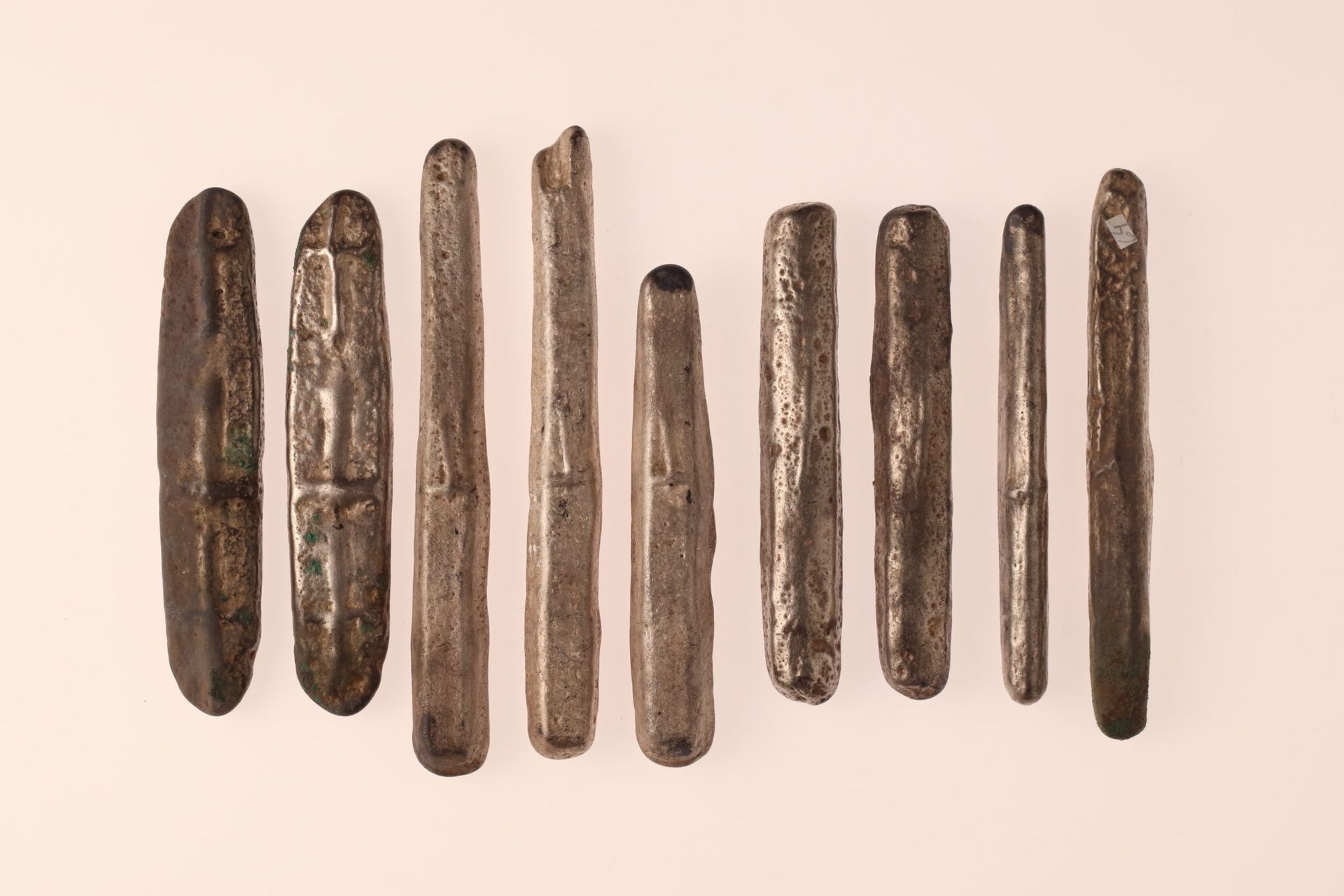
The hoard has approximately 700 silver objects, including silver bars, jewelry, 47 whole coins and coin fragments, and a small Thor’s hammer, an object that was often interpreted as a sign of protection and a clue that its owner believed in the Norse pantheon of gods. About 320 of those objects were contained in a clay vessel, while the rest lay in the soil nearby. The treasure is nearly three times larger than the previous largest silver hoard from Denmark’s Viking Age, according to a translated statement.
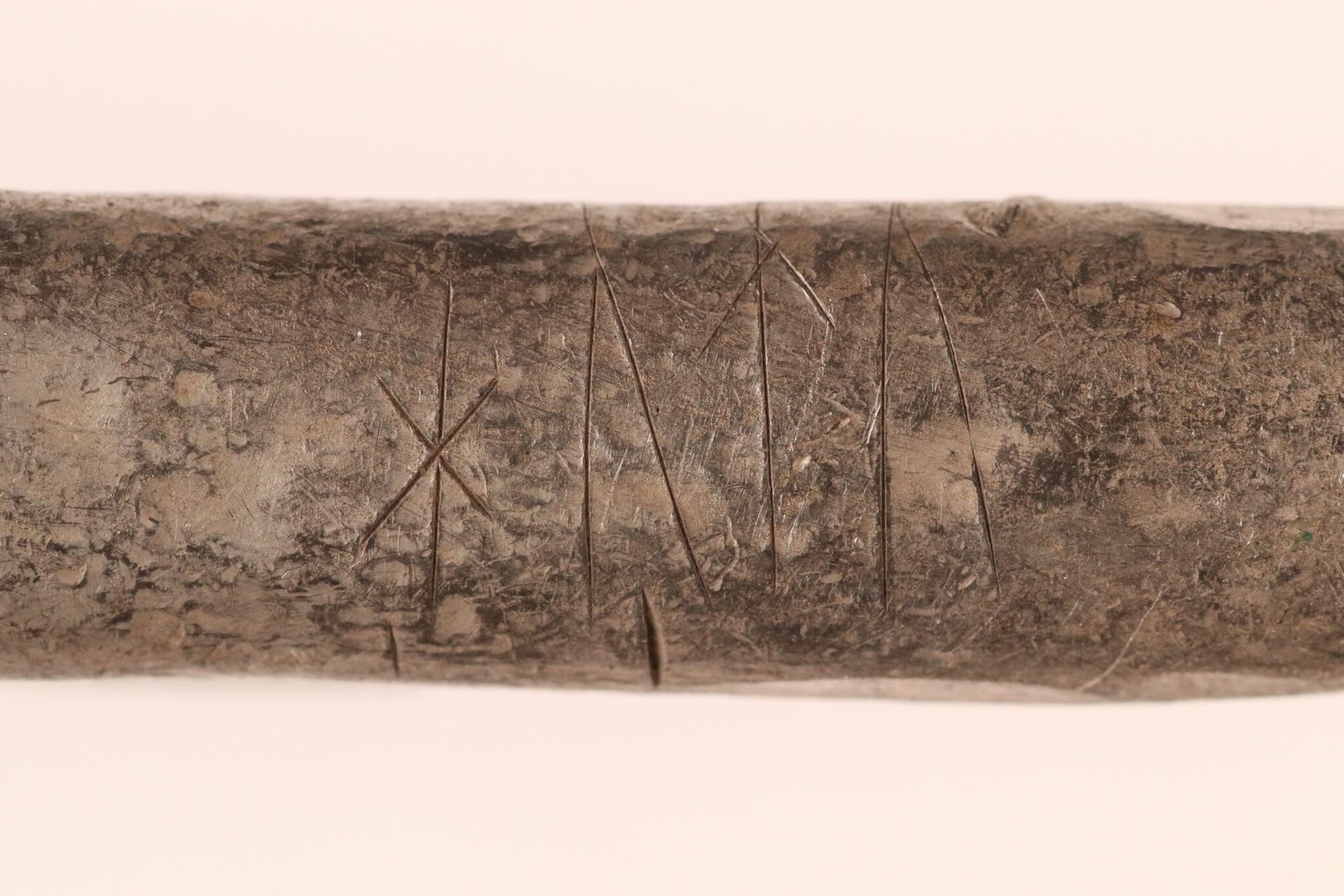
One of the silver bars is engraved with runes, a writing system used by people in Scandinavia during the Viking Age. The inscription might say “hutu,” which may represent a person’s name or an owner’s mark, according to the statement.
Latest Videos FromLive Science
The anonymous individual found the roughly 1,100-year-old hoard while building a terrace in the municipality of Rebild this past spring. Unexpectedly, they hit something that emitted a strange sound. “It should have just been a few hours of hard gardening work removing stubborn grass, stones and gravel for a new tiled terrace, but it turned out to be the biggest surprise of my life,” they said in the statement.
The coins include two Anglo-Saxon silver pennies minted during the reign of King Edward the Elder (ruled from 899 to 924), according to the statement. This suggests that the hoard dates to sometime in the 10th century.
Image credit: North Jutland Museums
During the Viking Age, silver bars represented wealth.
Image credit: North Jutland Museums
The runes, which spell out “Hutu,” could represent a name.
There are also Islamic coins in the hoard, and together with the Anglo-Saxon coins, they offer evidence that Viking Age Denmark had strong connections with vast regions of Europe as well as with distant eastern regions, according to Torben Sarauw, cultural heritage manager at the North Jutland Museums. There is already ample evidence of the Islamic world’s connections with Scandinavians during the Viking Age, including a recent discovery that Viking pennies in a hoard found in Denmark were made from melted Islamic money.
The newfound hoard sheds light on how people in Viking Age Denmark could store, organize and hide their wealth. “When we analyze the weight of the silver objects, the treasure reveals information about the economic practices of the Viking Age,” Sarauw said. “The treasure does not only consist of beautiful objects. Most of them are part of a structured value system by weight.”
Sign up for the Live Science daily newsletter now
Get the world’s most fascinating discoveries delivered straight to your inbox.
Some of the objects discovered in the person’s backyard were inside a clay vessel.
(Image credit: North Jutland Museums)
In fact, all the silver bars and some of the bracelets and silver fragments can be organized into specific weight groups. This indicates that the collection represented an important storage of wealth and not a random assortment.
“The treasure so clearly shows how silver functioned as wealth and a means of payment in the Viking Age,” Sarauw added in the statement. “It’s like finding a safe from the Viking Age.”
It’s unclear why the hoard was buried. It may have been hidden close to a Viking settlement, along a now-bygone road, or placed in a more remote, secret location, according to the statement. Answering that question would require major archaeological investigations, which are impossible in the developed area where the hoard was discovered.
The hoard is now being submitted for assessment at the National Museum of Denmark.
See how much you know about ancient norsemen with our Viking quiz!
for informational purposes only. We do not claim ownership, accuracy, or liability for the content provided. All rights belong to the original publisher.
Contains information related to marketing campaigns of the user. These are shared with Google AdWords / Google Ads when the Google Ads and Google Analytics accounts are linked together.
90 days
__utma
ID used to identify users and sessions
2 years after last activity
__utmt
Used to monitor number of Google Analytics server requests
10 minutes
__utmb
Used to distinguish new sessions and visits. This cookie is set when the GA.js javascript library is loaded and there is no existing __utmb cookie. The cookie is updated every time data is sent to the Google Analytics server.
30 minutes after last activity
__utmc
Used only with old Urchin versions of Google Analytics and not with GA.js. Was used to distinguish between new sessions and visits at the end of a session.
End of session (browser)
__utmz
Contains information about the traffic source or campaign that directed user to the website. The cookie is set when the GA.js javascript is loaded and updated when data is sent to the Google Anaytics server
6 months after last activity
__utmv
Contains custom information set by the web developer via the _setCustomVar method in Google Analytics. This cookie is updated every time new data is sent to the Google Analytics server.
2 years after last activity
__utmx
Used to determine whether a user is included in an A / B or Multivariate test.
18 months
_ga
ID used to identify users
2 years
_gali
Used by Google Analytics to determine which links on a page are being clicked
30 seconds
_ga_
ID used to identify users
2 years
_gid
ID used to identify users for 24 hours after last activity
24 hours
_gat
Used to monitor number of Google Analytics server requests when using Google Tag Manager