

Hyundai delays its homegrown self-driving software by two years, calls in Nvidia to bridge the gap
[post_content]
Disclaimer: This article has been automatically aggregated from
If you were waiting for your Hyundai car to get self-driving capabilities, you will have to wait for at least two more years. According to Reuters, Hyundai Motor Group’s proprietary driver-assistance system won’t launch until late 2029. Until then, the South Korean automaker is partnering with Nvidia to speed things up, and honestly, it says a lot about how hard building autonomous driving software really is.
What’s coming before Hyundai’s own software is ready?
Starting in 2028, Hyundai will lean on Nvidia’s Hyperion 10 platform to power its Level 2+ and Level 2++ driver-assistance systems. To keep costs down, these early vehicles will skip pricey lidar sensors and rely on cameras, ultrasonic sensors, and radar instead. It’s the same approach Tesla is taking for its own vehicles.
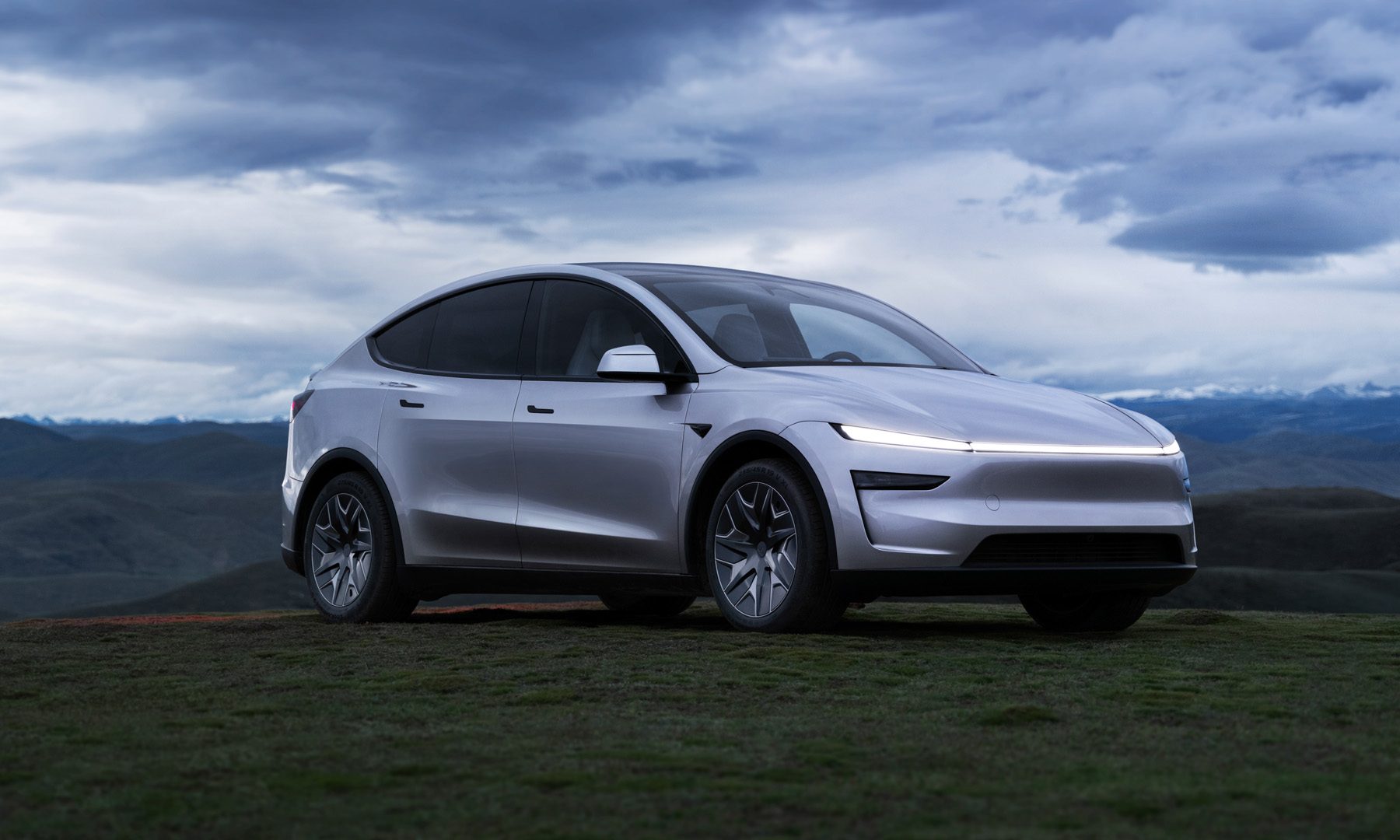
Lidar isn’t completely out of the picture, though. Hyundai is still weighing it for future Level 3 systems, which would let drivers take their hands off the wheel under certain conditions. Level 2+ generally covers highway driving, while Level 2++ handles trickier city streets, kind of like Tesla’s Full Self-Driving. Either way, you’re still expected to keep your eyes on the road.
Why lean on Nvidia now?
Park Min-woo, a Hyundai Motor Group president who joined in January after years at Nvidia, is the one steering this shift. He was quick to frame it as a partnership, not a handoff. “Our partnership with Nvidia is not about leaving our destiny entirely in their hands,” Park said, adding that Hyundai plans to co-design the tech and use the data to build its own platform, called Atria.

That’s a departure from former exec Song Chang-hyeon’s approach, who pushed hard for in-house development before his abrupt exit in December. Hyundai and Kia, which together sell over 7 million vehicles a year, are also banking on their massive global fleet to gather driving data faster than rivals, hoping to take the lead by 2033.
for informational purposes only. We do not claim ownership, accuracy, or liability for the content provided. All rights belong to the original publisher.