

AI deepfakes are stealing real doctors’ identities to sell bogus health treatments
[post_content]
Disclaimer: This article has been automatically aggregated from
AI scammers are putting doctors’ faces and voices to work selling questionable health treatments. The videos can pass for genuine medical endorsements, and getting them taken down has proved difficult.
A CBC News investigation documents how Canadian physicians are being impersonated in advertisements for products they never endorsed. Patients have lost money on treatments that never arrived, while doctors worry that fabricated medical advice could steer people away from legitimate care.
How do fake medical endorsements work
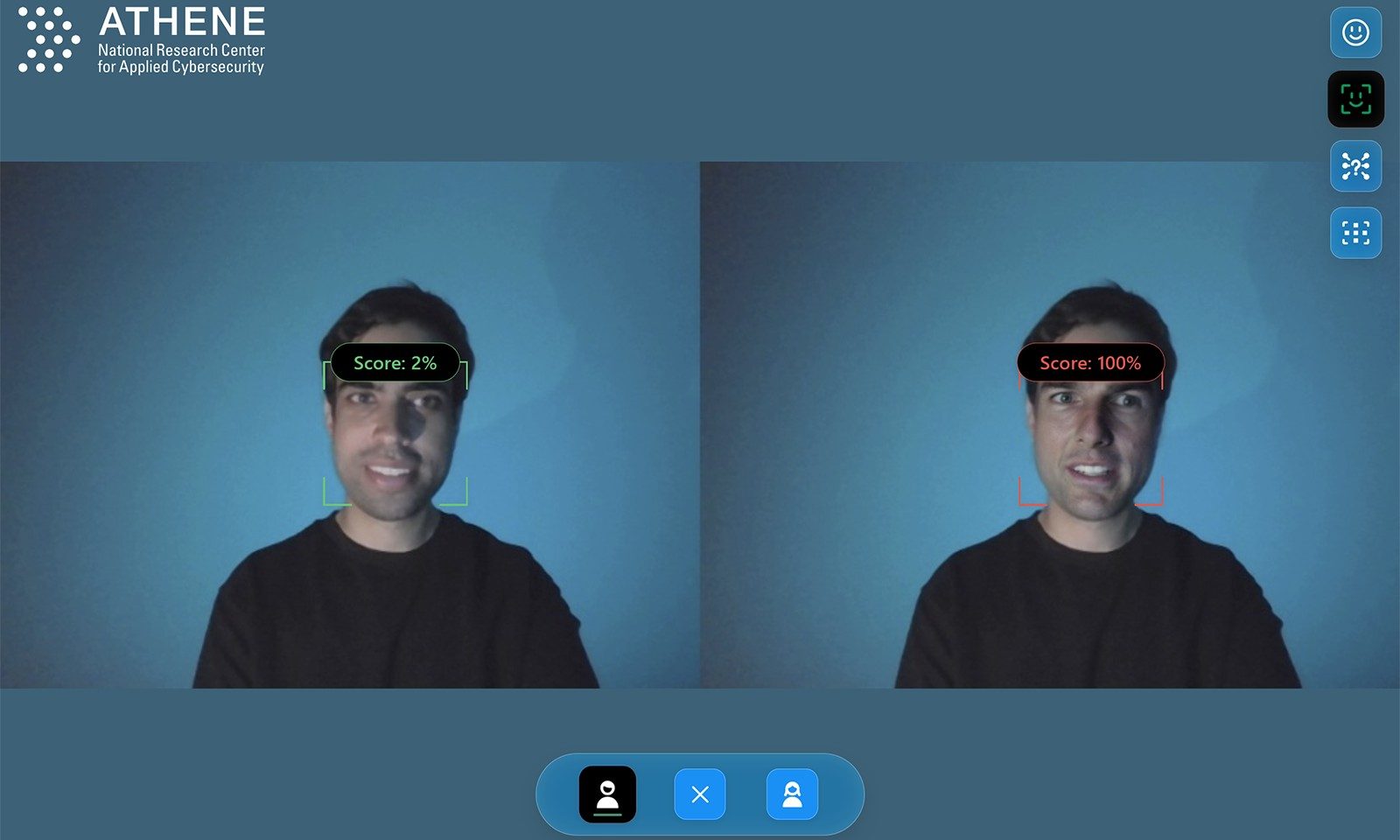
Scammers can manipulate footage of real physicians to make them appear to recommend treatments they’ve never endorsed. A familiar face gives the sales pitch a veneer of medical authority, even when the advice is completely fabricated.
The Canadian Medical Association warns that some scammers go further, creating entirely fictional AI doctors. These digital personalities can dispense misleading health advice without borrowing anyone’s identity.
The association also notes that Canadian physicians generally cannot publicly endorse regulated health products. A doctor appearing in an advertisement for a miracle cure is therefore a reason to be suspicious.
How widespread are these fake doctors
A Science Feedback investigation identified 18 TikTok accounts distributing videos of AI-generated doctors, including impersonations of real physicians. Some videos attracted millions of views.
Several accounts weren’t selling anything directly. They were building audiences with questionable medical advice, potentially creating opportunities to monetize those audiences later.
The investigators also found that the videos generally lacked AI-generated content labels. TikTok subsequently said it had removed accounts found to violate its policies.
What can platforms do to stop them
Platforms are developing ways to catch impersonators. Meta has tested facial recognition to identify fraudulent advertisements featuring public figures, while YouTube has expanded its AI likeness detection system to help eligible creators find and report unauthorized videos.
The American Medical Association wants stronger protections, including faster takedowns and clearer labeling of AI-generated medical content.
None of these measures guarantees that every fraudulent video will be caught. A familiar doctor’s face is no longer enough to establish whether an endorsement is genuine.
Checking claims directly with a physician or trusted medical organization is a safer starting point. Tools such as Bitdefender RealCheck can help flag suspicious content, but a clean result shouldn’t be treated as proof that a video is authentic.
for informational purposes only. We do not claim ownership, accuracy, or liability for the content provided. All rights belong to the original publisher.