

Anya Taylor-Joy’s Near-Perfect Breakout Folk Thriller Is Officially Leaving Netflix
[post_content]
Disclaimer: This article has been automatically aggregated from
Anya Taylor-Joy has firmly established herself as one of her generation’s leading and most versatile actors. At 30, she has built a career across film and television, appearing in franchises like Super Mario and Mad Max, and winning a Golden Globe for her role in The Queen’s Gambit. This year she starred in the Apple TV series Lucky and will also appear in Dune: Part Three. She is one of the few modern stars who comfortably fit the movie-star label. It all began with her career-defining breakout role, which turned the final girl trope on its head — a girl who survives not by fighting, but by giving in.
The Witch premiered in 2015, serving as a calling card for Taylor-Joy as a rising star and Robert Eggers as a director to look out for. It also turned Black Phillip the goat into a contemporary horror icon almost overnight. More than a decade later, the film remains just as invigorating. It’s currently streaming on Netflix, but only until Oct. 1 — so you’ve got a matter of days left to watch it.
What is The Witch about?
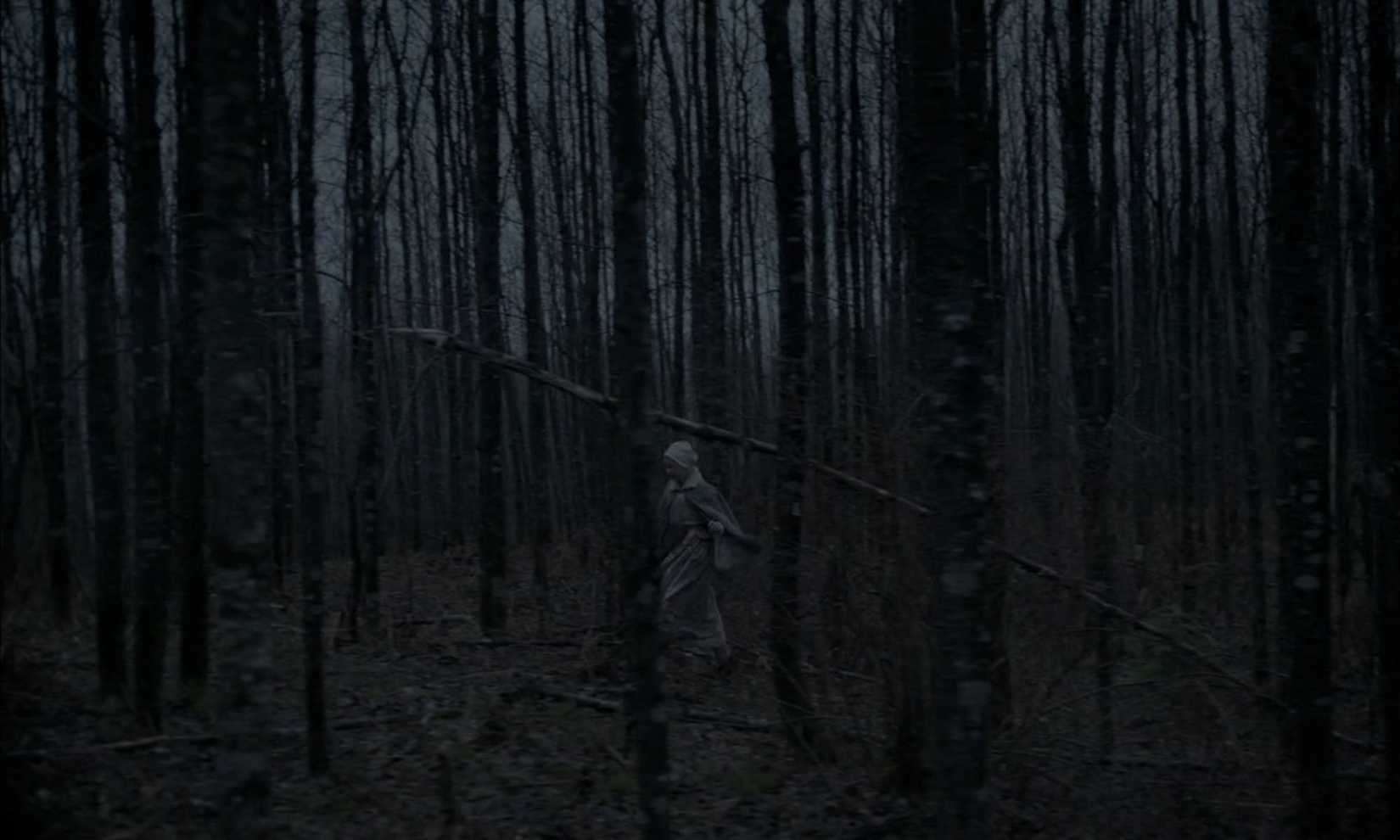
The Witch follows a devout, isolated Puritan family in 1630s New England, a time when witches, myth, and folklore quietly stood at the root of most people’s everyday fears. Following their exile from the religious community due to a dispute with the church, a family of seven is forced to relocate to the outskirts of society, with the dark, unmapped woods mere feet away.
The film is steeped in its historical setting, and its characters speak a dense form of archaic English, with religion at the very center of their lives. That can be a tough watch for modern viewers, but The Witch ultimately tells a simple story about a family hitting its breaking point.
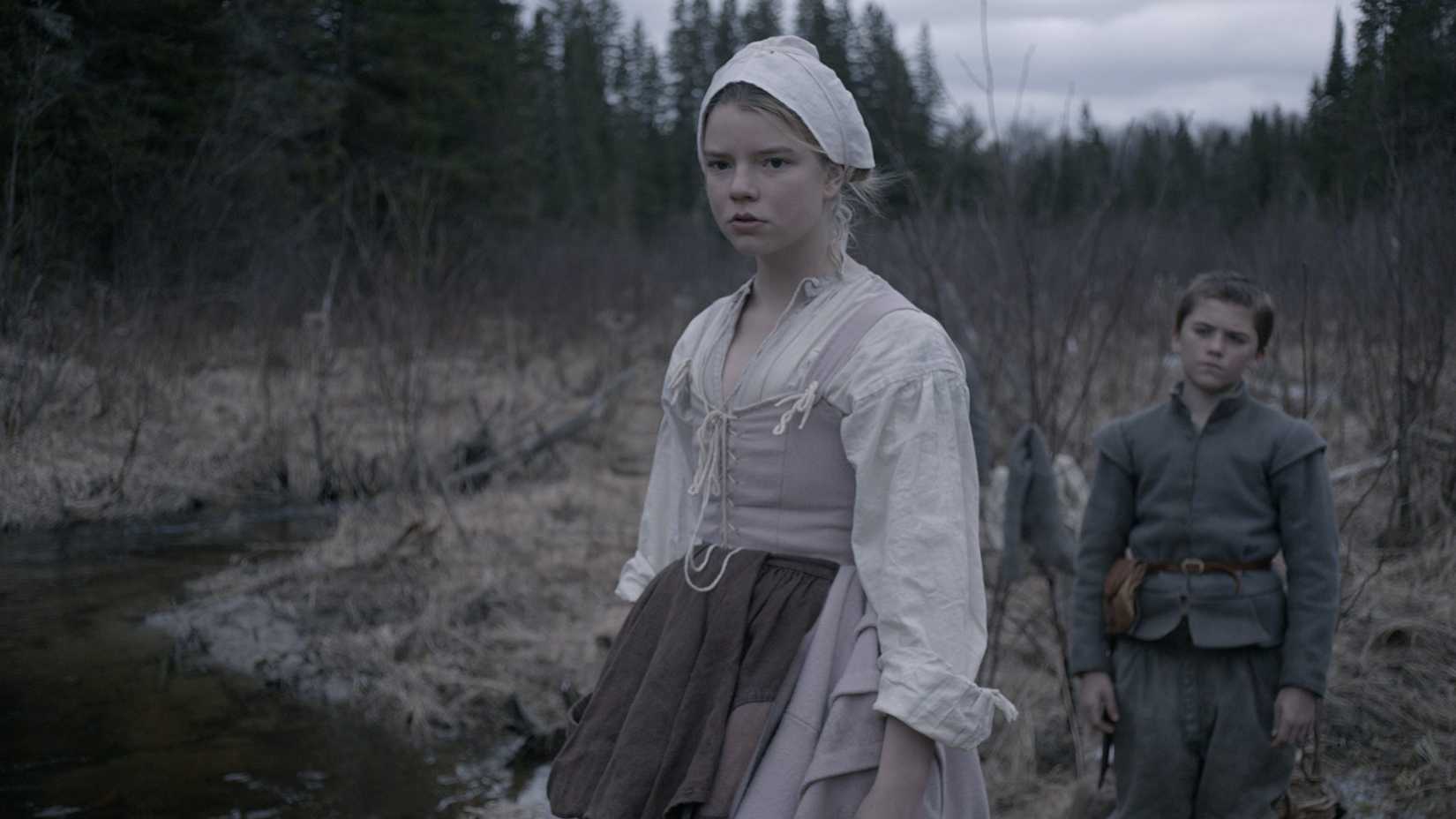
With no animals left to hunt and their crops rotting, William (Ralph Ineson) and his wife Katherine (Kate Dickie) are desperate. They spend their days bitterly arguing in their cramped home and blaming each other for everything that goes wrong. Their younger kids absorb the tension (and perhaps Black Phillip’s devilish whispers), acting out in ways that make everyone’s lives more difficult. Things boil over when the family’s newborn, Samuel, disappears under the watch of their eldest daughter, Thomasin (Anya Taylor-Joy).
What follows is a haunting and violent tragedy.
Note: Spoilers follow for The Witch.
Living deliciously
Thomasin quickly becomes the family’s scapegoat. Blamed for the loss of Samuel, she becomes the target of everyone’s projections. Katherine, consumed by grief, sees her daughter’s developing body as the devil’s work. Caleb (Harvey Scrimshaw), her younger brother, is drawn to her out of loneliness and a newly awakened sexuality. The twins’ overactive imaginations prompt them to accuse her of witchcraft. Even her father, who claims to be utterly devout and devoted, fails her. He sets her up to take the blame for the silver cup that he sold without telling his wife.
Spoiler warning, but when the imposing goat Black Phillip reveals his true demonic nature to Thomasin, she has nothing left to lose. The moment comes almost as a relief.
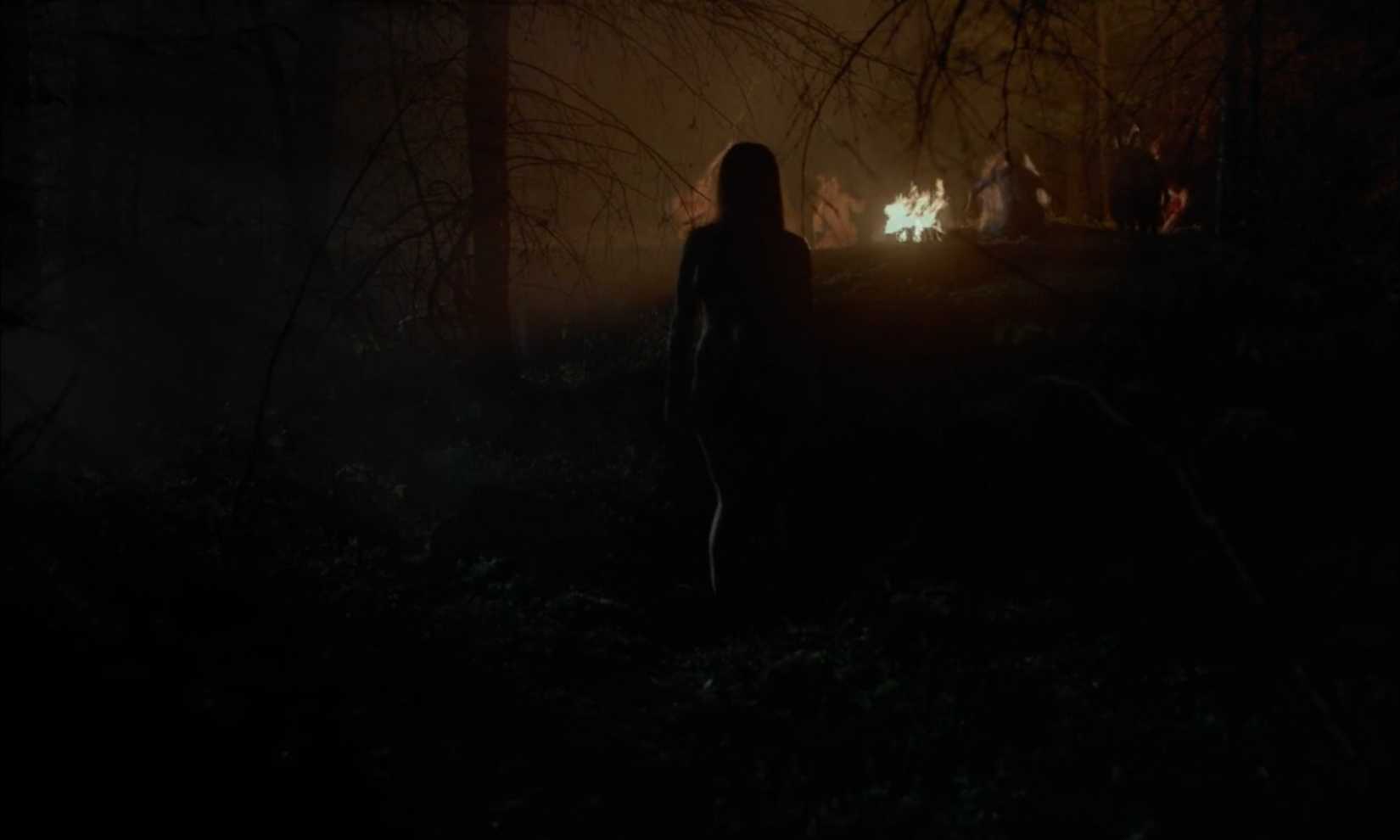
“Wouldst thou like to live deliciously?” is an iconic and chilling line, not only due to the tone and pitch of voice actor Daniel Malik, but also because it’s Thomasin’s only offer to let go. She signs his book, takes off her clothes, and walks into the woods that have been haunting her family since the start of the film.
It’s an ending that can be interpreted in numerous ways: as a tragedy in which Thomasin succumbs to the evil that destroyed her family, or as a positive tale of Thomasin’s liberation, in which she finds a community of like-minded women who were also cast out by a puritanical society that pitted them against each other. The typical final girl survives by defeating evil; in the case of Thomasin, she embraces it.

While the film served as a major debut for Taylor-Joy, it also introduced the world to Robert Eggers, a director with a unique and distinctive cinematic voice. Known for his atmospheric, meticulously crafted productions and obsessive attention to period detail, every Eggers film expands his vision of cinema, whether it’s the myths of the Vikings in The Northman (also a reunion with Taylor-Joy) or his most recent adaptation, Nosferatu, a key entry in the vampire canon and a reminder that these ancient creatures are far more than the sexy anti-heroes we’ve grown used to.
Eggers returns to theaters on Dec. 25 with Werwulf, starring Aaron Taylor-Johnson as a cursed man in 13th-century England. Whatever he does next with the myth, it’s worth revisiting where it all began: with a girl, a goat, and a choice.
The Witch is streaming on Netflix until Oct. 1.
for informational purposes only. We do not claim ownership, accuracy, or liability for the content provided. All rights belong to the original publisher.