

‘We’re rapidly running out of time’: 7 of Earth’s 9 life support systems already breached, and the situation is getting worse, report warns
[post_content]
Disclaimer: This article has been automatically aggregated from
Earth’s life-support systems are in peril — and they’re getting worse — but although the window for action is closing, we still have a chance to give our planet a sustainable future, a new report finds.
The report, called “Planetary Health Check 2026,” was written by more than 60 scientists and assessed the state of interconnected natural systems, or planetary boundaries, upon which Earth’s stability and resilience depend. When these boundaries are crossed, researchers say there’s an increasing risk of serious and irreversible harm.
According to the report, seven of the nine identified planetary boundaries have already been breached, including climate change, ocean acidification and biosphere integrity. Niklas Kitzmann, lead editor of the report, likened assessing these planetary boundaries to giving Earth a blood test — and getting alarming results.
“If you had a patient with a blood test that looks like this, you would send them to the ICU right away,” Kitzmann, a researcher in the Planetary Boundaries Science Lab at the Potsdam Institute for Climate Impact Research in Germany, which publishes the report, told Live Science.
Specific ecosystems highlighted in the report include the Amazon rainforest, which is in danger of passing a devastating tipping point, and the seafloor, which is being damaged by bottom trawling and faces the developing threat of deep-sea mining. There’s also plenty on extreme weather events fueled by climate change, as well as forever chemicals, species loss and more. However, the authors believe we can still heal our ailing planet if we act fast.
“We still have a window to turn this around, but we do have to start bending the curves on emissions and on nature degradation within the next few years,” Kitzmann said. “We’re rapidly running out of time.”
Planetary health check
The Planetary Boundaries Science Lab publishes a Planetary Health Check around this time each year, coinciding with Climate Week. The 2026 edition isn’t marked by significant boundary changes as it was last year, but it finds that the state of the breached boundaries continues to worsen.
Get the world’s most fascinating discoveries delivered straight to your inbox.
In 2025, ocean acidity levels became so high that a research team concluded that ocean acidification had become the seventh — and most recent — planetary boundary to be breached. The other six breached boundaries are freshwater change, land system change, climate change, modification of biogeochemical flows, introduction of novel entities, and change in biosphere integrity. The remaining two boundaries — stratospheric ozone depletion and increase in atmospheric aerosol loading — remain at safe levels, at least globally, according to the report.
The El Niño in the room
This year’s report comes as Earth is experiencing an unprecedented El Niño event, which is injecting extra heat into our already-warming world and threatening widespread disruption to both humans and nature. We will have to wait until next year’s report to see how the forecast global temperature rise will impact the already-struggling planetary boundaries.
The researchers essentially have a traffic light system for assessing the risk to planetary boundaries, with green representing a safe operating space; yellow/orange representing a breach and an increasing risk, with the system no longer considered within safe limits; and red representing the danger zone, with a likely risk of severe, irreversible damage. These categories are designed to account for uncertainty, but there’s inherent uncertainty baked into assessments of complex natural systems.
Of the breached boundaries, ocean acidification, freshwater change and land system change sit in the increasing risk category, while climate change, modification of biogeochemical flows, introduction of novel entities and change in biosphere integrity are in the danger zone, according to the report.
Boundaries in the danger zone
Image 1 of 4
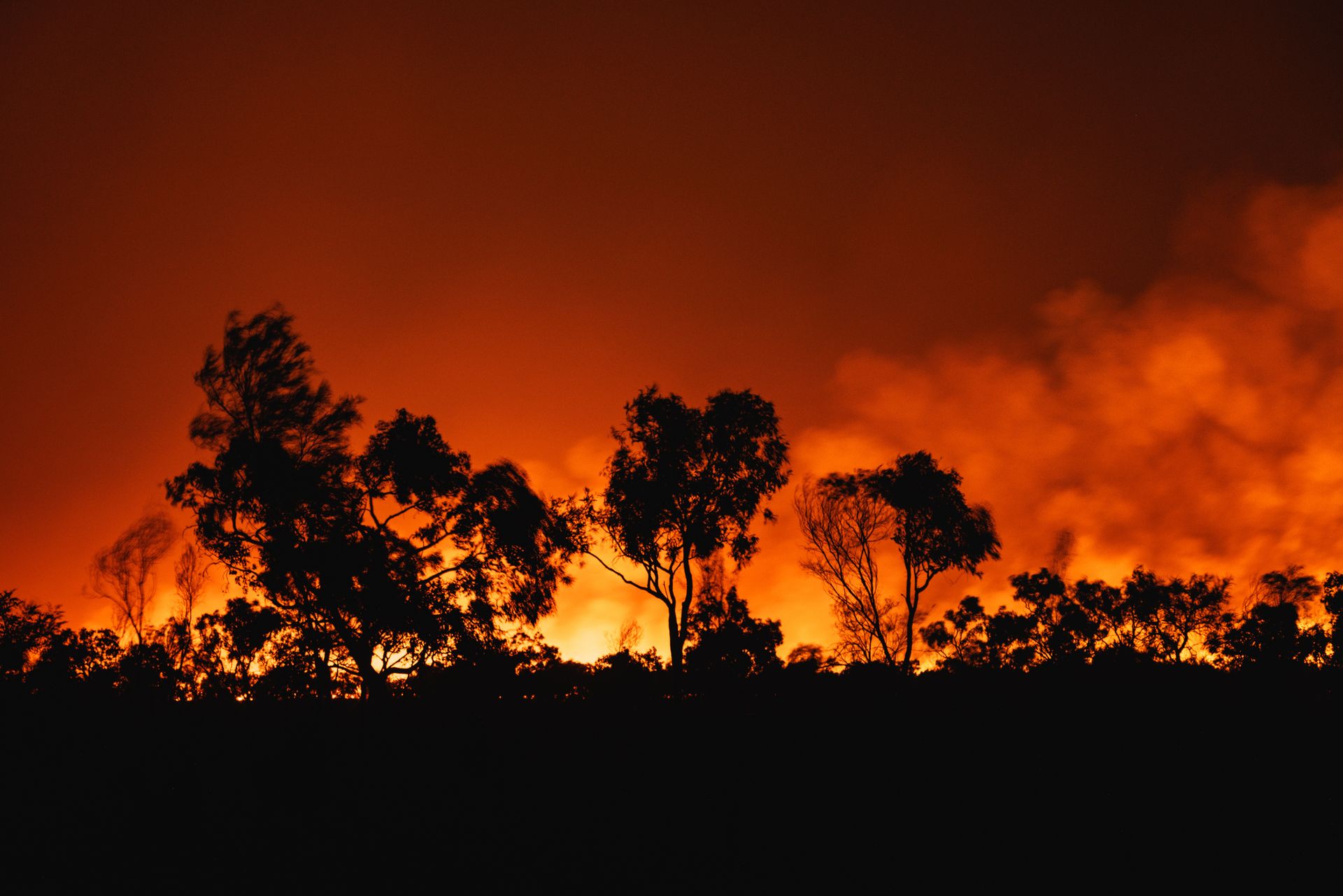
(Image credit: Abstract Aerial Art via Getty Images)
Climate change
This severe breach is mainly due to heat-trapping greenhouse gas emissions, which humans continue to pump into the atmosphere through the burning of fossil fuels and other activities. The report also cites evidence that climate change is accelerating.
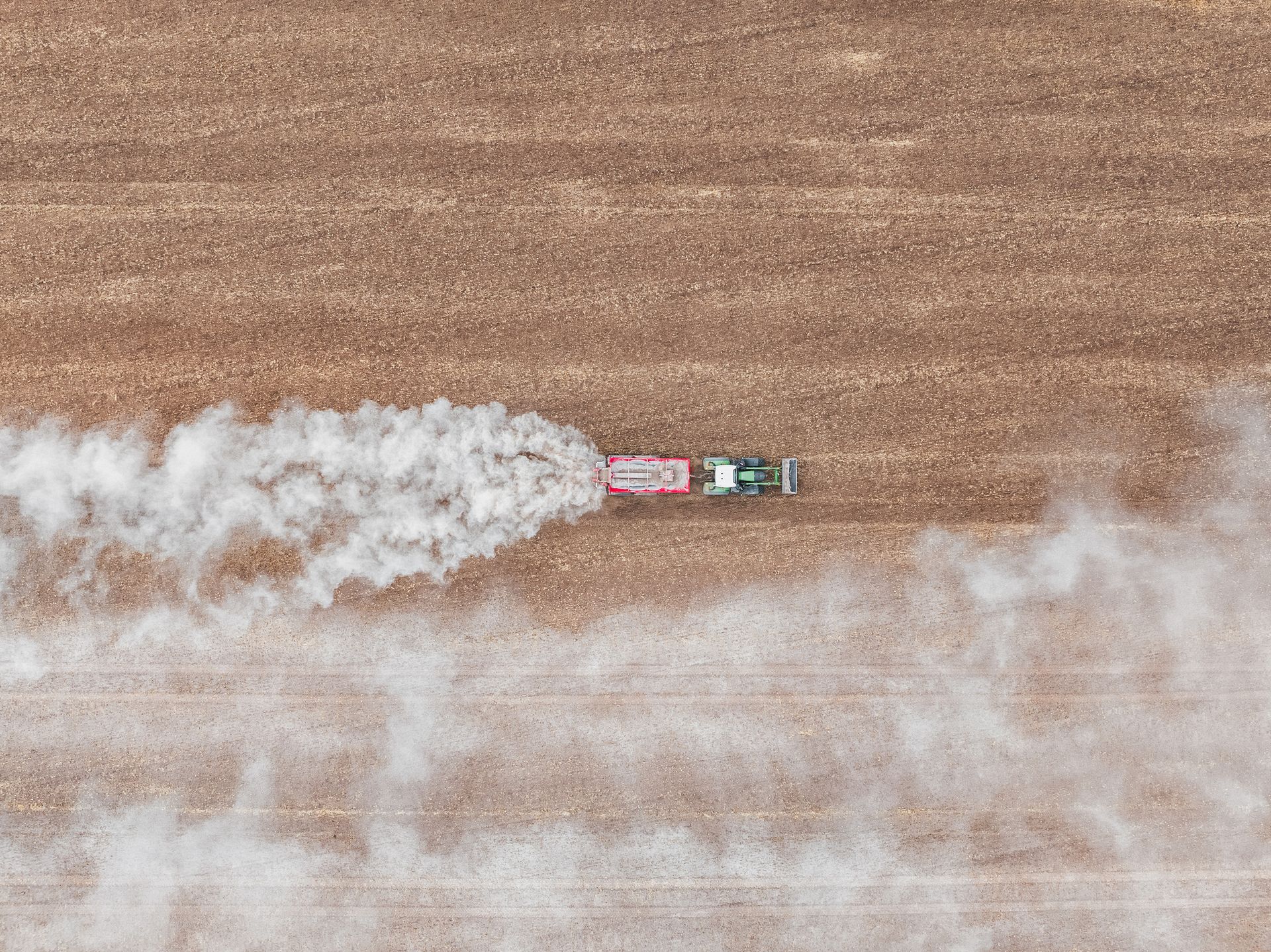
(Image credit: Abstract Aerial Art via Getty Images)
Modification of biogeochemical flows
Covers changes to nutrient cycles, namely nitrogen and phosphorus. Humans are causing environmental damage by releasing an excess of these elements into the environment through the heavy use of fertilizers and other activities. The resulting problems include water pollution and what the authors described as “oxygen-depleted dead zones” that can’t support the life they once did.

(Image credit: Alistair Berg via Getty Images)
Introduction of novel entities
Deals with microplastics, synthetic “forever chemicals” and other human-made substances. The authors consider novel entities to have well breached the boundary, in part because they continue to enter the environment without adequate safety protocols in place.

(Image credit: Education Images/Universal Images Group via Getty Images)
Changes in biosphere integrity
Covers changes to ecosystem health, affecting the diversity and function of life on Earth. In the report, this boundary is measured partly through species extinction rates. While these are notoriously difficult to measure, it’s well established that human activities have caused plant and animal populations to plummet across the globe. Primary drivers include the loss and degradation of habitat, overharvesting, invasive species, pollution and, increasingly, climate change.
One of the report’s key takeaways is that all of the planetary breaches are now becoming increasingly apparent. Kitzmann said the researchers are seeing extreme events like heat waves increase in frequency and severity all over the world. He also noted that they’ve seen consequences such as glacial loss, marine heat waves and severe coral bleaching.
“The Earth is sending us her invoices for the breaching of these planetary boundaries,” Kitzmann said.
Although much of the report was gloomy, Kitzmann stressed that there’s still hope. He argued that positive momentum is building in the renewable energy transition, especially as the costs of solar power technology decrease, and that there’s more social awareness and international treaties that protect oceans and land.
“It’s not enough yet, it’s not sufficient, but we shouldn’t think that this is a completely unsolvable problem,” Kitzmann said. “It is very much in the process of being solved, and we just need to step on the accelerator right now and make sure that these solutions that we have get implemented as quickly as we possibly can.”
for informational purposes only. We do not claim ownership, accuracy, or liability for the content provided. All rights belong to the original publisher.
Share this:
- Share on Facebook (Opens in new window) Facebook
- Share on X (Opens in new window) X
- Print (Opens in new window) Print
- Share on LinkedIn (Opens in new window) LinkedIn
- Share on Threads (Opens in new window) Threads
- Share on Mastodon (Opens in new window) Mastodon
- Share on Bluesky (Opens in new window) Bluesky
- Share on Telegram (Opens in new window) Telegram
- Share on Pinterest (Opens in new window) Pinterest
- Share on WhatsApp (Opens in new window) WhatsApp
- Share on Nextdoor (Opens in new window) Nextdoor
- Email a link to a friend (Opens in new window) Email
- Share on Tumblr (Opens in new window) Tumblr
- Share on Reddit (Opens in new window) Reddit