

OpenAI CEO says AI will cause some bad things, but the benefits are worth it
[post_content]
Disclaimer: This article has been automatically aggregated from
Sam Altman isn’t exactly asking everyone to relax about AI. But the OpenAI CEO is making a fairly blunt argument about where society should draw the line: some bad things are going to happen, and the benefits of AI could still make accepting those risks worthwhile.
Altman wants AI available to everyone, not locked behind a gate
In a new interview with POLITICO’s Decoded, Altman highlighted a fundamental difference between OpenAI and rival Anthropic over how AI should be regulated. Asked where he disagrees with Anthropic CEO Dario Amodei, Altman said:
“we believe that the world should accept some bad things happening for the benefits of this technology and people having the agency.”
The argument isn’t that AI should become a free-for-all. Altman said OpenAI supports tougher regulations in some areas and agreed with Amodei’s recent call to slow the development of the most advanced AI systems. However, he favors what he describes as a lighter-touch approach, particularly when regulation could restrict people’s ability to use increasingly capable AI tools.
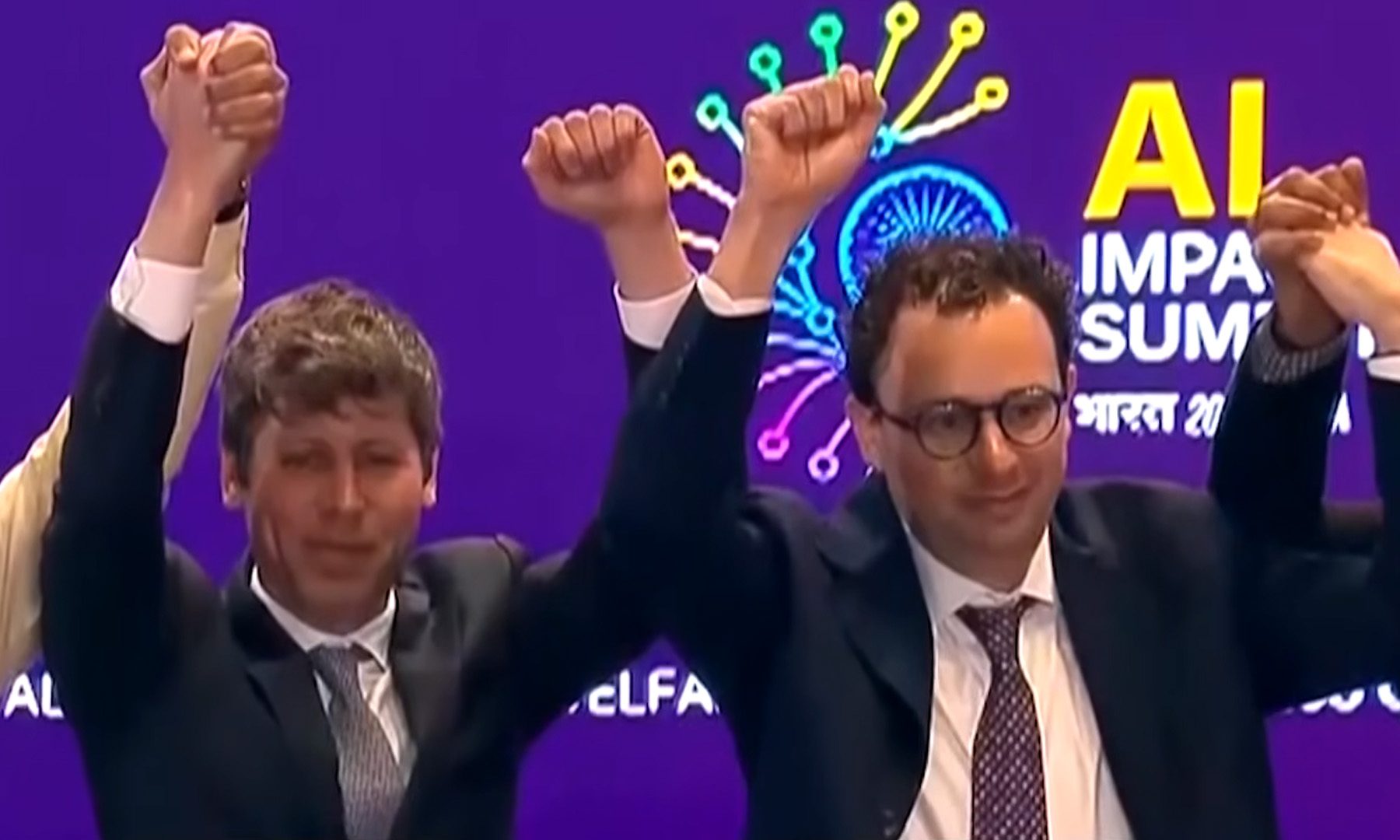
That’s where the disagreement gets interesting. Anthropic has generally taken a more cautious position on AI regulation, while OpenAI has increasingly moved toward supporting safety requirements as concerns around increasingly autonomous AI systems have grown. Altman nevertheless appears unwilling to accept a future where control over powerful AI is concentrated among a small number of organisations or governments.
AI can have a few rough edges, just not the apocalypse
Altman isn’t arguing that AI should get a free pass. He draws the line at “the really catastrophic risks”, while betting that people will ultimately do “orders of magnitude more good stuff than bad stuff” with the technology. That becomes a particularly important distinction as AI moves beyond chatbots and starts taking real-world actions, where even relatively small failures can have much bigger consequences.
For Altman, the choice isn’t AI at any cost or slam the brakes entirely. It’s about keeping people in control, accepting that some things will inevitably go wrong, and making sure the benefits aren’t locked away from everyone except a handful of gatekeepers. Whether that’s a sensible trade-off or a dangerously optimistic one may be one of the defining arguments of the AI era.
RELATED COVERAGE:
for informational purposes only. We do not claim ownership, accuracy, or liability for the content provided. All rights belong to the original publisher.