

Silicon Valley wants AI everywhere. It just doesn’t want us to notice
[post_content]
Disclaimer: This article has been automatically aggregated from
For all the noise tech companies are making about AI slop, I haven’t seen much evidence that they actually want less AI.
Spotify has purged tens of millions of spammy uploads. LinkedIn lets users flag posts that seem like AI slop, while YouTube has wiped out networks of low-quality channels. Pinterest and TikTok are giving people more control over how much synthetic content reaches them.
Taken together, it almost looks like an AI backlash. I think it’s closer to a cleanup operation.
Silicon Valley wants better AI, not less of it
Spotify is probably the clearest example. The company says it removed more than 75 million spammy tracks in a single year and acknowledges that generative AI has made mass uploads, duplicates, and other junk easier to produce. Yet Spotify still sees a future for AI in music. Getting rid of the technology itself is clearly not the plan.
Google is cleaning up on a similarly absurd scale. Its researchers say an anti-slop system terminated 50,000 coordinated clusters containing 130,000 channels over six months.

That distinction is what caught my attention. Silicon Valley doesn’t actually want less AI. It wants AI without the visible consequences of infinite AI.
The version Silicon Valley wants is AI polished enough to pass without comment. The problem starts when cheap synthetic production becomes so obvious that the illusion falls apart.
The slop is unwanted, but the AI isn’t
Most of the cleanup happens downstream, after the slop has already been made. Slowing the supply would mean making mass generation less effortless, which cuts against the whole promise of generative AI.
Spotify is removing spam while also working with major music companies on generative AI products, including licensed covers and remixes. That contradiction tells me more about where this is going than another AI label ever could. AI is still welcome. The embarrassing excess is what needs to disappear.

There is obviously money wrapped up in all of this, although I don’t think profit explains every decision. AI is too deeply embedded in what these companies are building for them to simply abandon it. They would rather keep the machine running and figure out how to stop the output from making their products unbearable.
Infinite content still has to compete for finite attention
The scale starts to look stranger once supply enters the picture.
Deezer says it was receiving around 90,000 fully AI-generated tracks a day at its June peak, enough to account for more than half of all new uploads. Those tracks represented only 1% to 3% of listening. Deezer excludes detected AI music from recommendations and editorial playlists, so that figure isn’t a clean referendum on what listeners actually want. Even with that caveat, the imbalance is hard to miss.
More than half of the new supply can arrive without anything close to half the audience waiting for it.
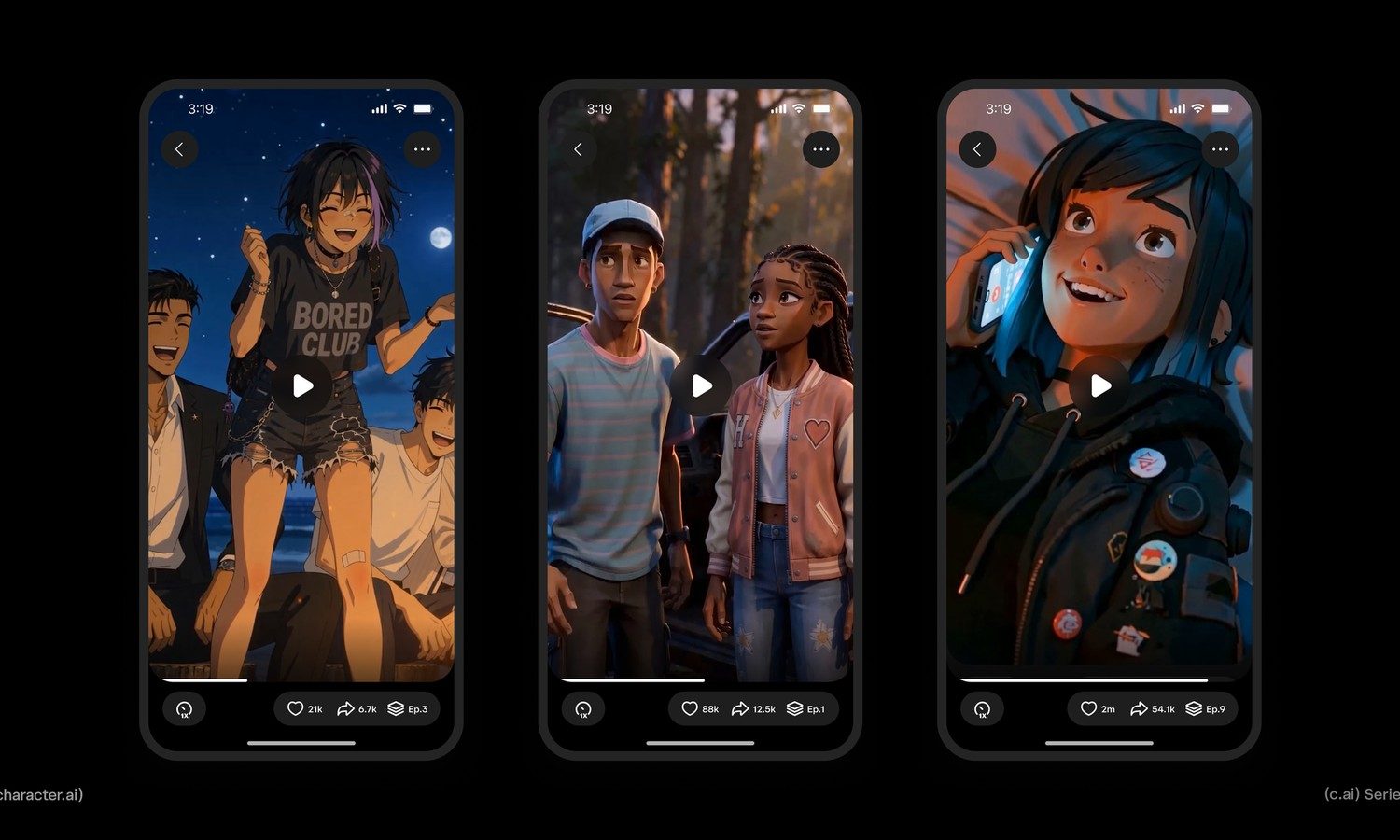
That gets at the part of AI slop I find more interesting than the labels and detection tools. I already have more music, video, and writing competing for my attention than I could realistically consume. AI didn’t add another six hours to my day. It just gave everyone else a much cheaper way to compete for the hours I already have.
Content is becoming almost absurdly abundant.
Platforms now have to deal with that imbalance after the content has already been made. They decide what gets recommended, what gets buried, and what eventually gets removed, essentially rebuilding scarcity on top of a system designed to produce more than anyone could possibly consume.
I don’t think Silicon Valley wants an internet with less AI. It wants one where AI becomes so polished, so routine, that I stop being able to tell where it begins and I end.
Maybe that’s the real endgame for AI slop. It doesn’t disappear. I just get used to seeing so much of it that eventually I stop noticing the difference.
for informational purposes only. We do not claim ownership, accuracy, or liability for the content provided. All rights belong to the original publisher.