

AI’s massive appetite could make cheap smartphones much harder to find
[post_content]
Disclaimer: This article has been automatically aggregated from
Buying a genuinely cheap smartphone could soon become a lot harder, and the reason has little to do with what’s happening inside the smartphone industry itself. The enormous amount of hardware being poured into AI data centers is pressuring global memory supplies. That has helped drive up the cost of making phones, and manufacturers appear increasingly reluctant to absorb those extra costs at the cheapest end of the market.
According to Counterpoint Research, prices of existing smartphones have increased by around 15% globally this year, while newly launched devices are roughly 25% more expensive than comparable models from last year. The impact hasn’t been equal everywhere, either. Smartphone prices have climbed 21% in India and 19% across Asia-Pacific, compared with just 5% in the US.
The $150 smartphone is becoming an endangered species
This matters because inexpensive phones make up a huge share of the global smartphone market. More than a quarter of smartphones shipped in 2025 cost less than $150, according to IDC. But manufacturers are beginning to rethink whether competing at those prices still makes sense. Counterpoint senior analyst Ivan Lam told Rest of World that Chinese manufacturers have dramatically scaled back entry-level smartphone projects as memory costs have increased. Instead, companies are focusing more on premium devices, where there is considerably more room to absorb higher component costs.

We’re already seeing the consequences. IDC data shows shipments of smartphones costing less than $100 dropped almost 60% year over year during the second quarter of 2026. And the definition of a “cheap phone” itself could change. Lam believes devices that once sat in the sub-$150 category could eventually move closer to $250 or even $300.
AI’s hardware boom has a very human cost
Memory is at the center of the problem. Samsung, SK Hynix, and Micron control more than 90% of the global memory market, and the rapid expansion of AI infrastructure has created enormous demand for the components these companies produce. IDC research director Ramon Llamas told Rest of World that major memory manufacturers shifted much of their supply toward AI data centers in late 2025, leaving consumer electronics companies fighting over the remaining inventory. Less supply naturally means higher prices, and eventually those costs reach shoppers.
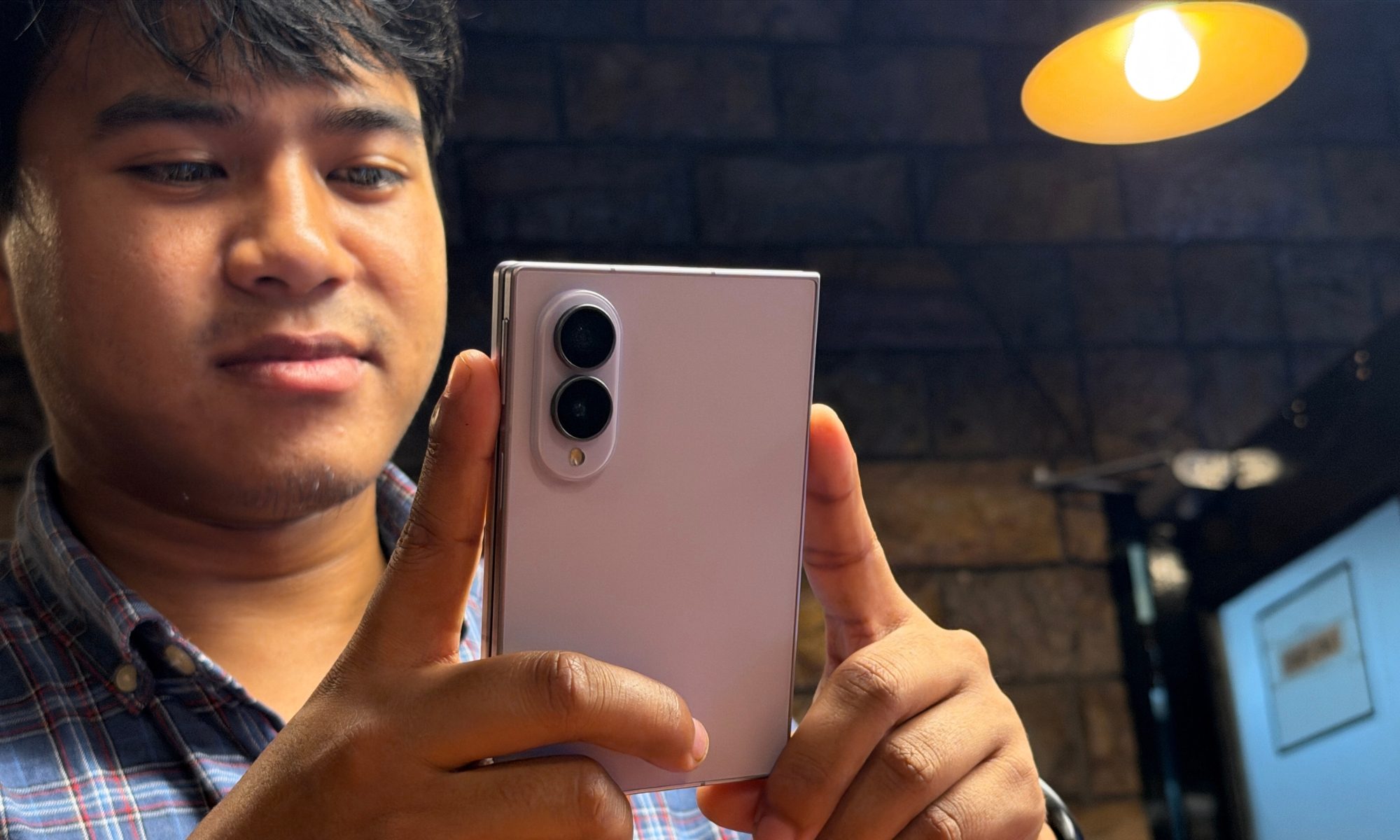
For someone choosing between a $900 and $1,000 flagship, another price increase is frustrating. For someone buying their first smartphone, however, it could determine whether they get online at all. GSMA estimates an entry-level smartphone already costs the poorest 20% of consumers around 44% of their monthly income, rising to 76% in sub-Saharan Africa. As phones become more expensive, people may hold onto aging devices longer, share phones, stick with feature phones, or remain offline. That’s the uncomfortable irony of the AI boom. As companies spend extraordinary sums building technology designed to make the digital world more capable, the hardware needed to enter that world in the first place could become harder for millions of people to afford.
for informational purposes only. We do not claim ownership, accuracy, or liability for the content provided. All rights belong to the original publisher.