

Claude now remembers what you told it, wherever you use it
[post_content]
Disclaimer: This article has been automatically aggregated from
One of the most annoying parts of working with an AI assistant is having to explain yourself all over again. Claude is trying to fix that. Starting today, the memory Claude uses in chat is also available in Claude Cowork, meaning the context you’ve built up over months of conversations can follow you when you hand Claude a task.
That means Claude can know about your projects, priorities, and preferences without requiring another lengthy briefing. Explain in chat how your team defines its metrics, for example, and Cowork can use that information when building your next quarterly business review. Discuss a conference in chat, and Cowork can carry over details like the city, speakers, and headcount when it works on the logistics.
Claude now remembers as you talk
There’s another change here that’s arguably just as important: Claude’s memory now updates as you chat, rather than waiting until a conversation ends to summarize it. Mention that a project deadline has moved to September, and Claude can carry that information into your next conversation without you having to explicitly tell it to remember.
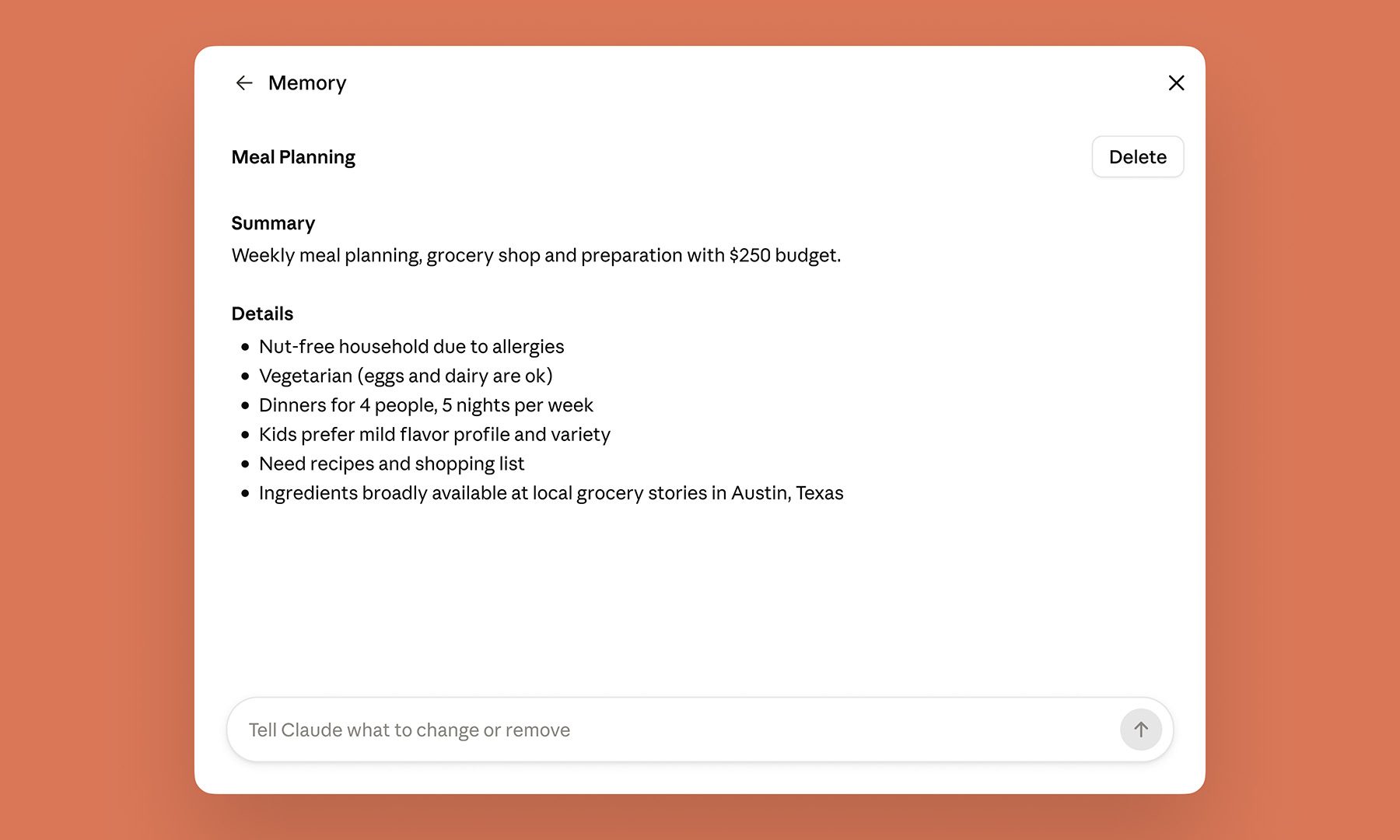
And crucially, users get to see what Claude actually remembers. Saved memories appear as individual files organized by topic, which users can read, edit, or delete. Correct something once, and the change applies across future conversations and Cowork tasks.
You also get a say in what Claude remembers
By default, Claude won’t save sensitive subjects such as health, race, ethnicity, religious beliefs, politics, or gender identity. But users who want Claude to remember those details can now enable “include sensitive topics in memory.” When Claude saves something involving one of those topics, users will see a notice, and the setting can be switched off at any time.
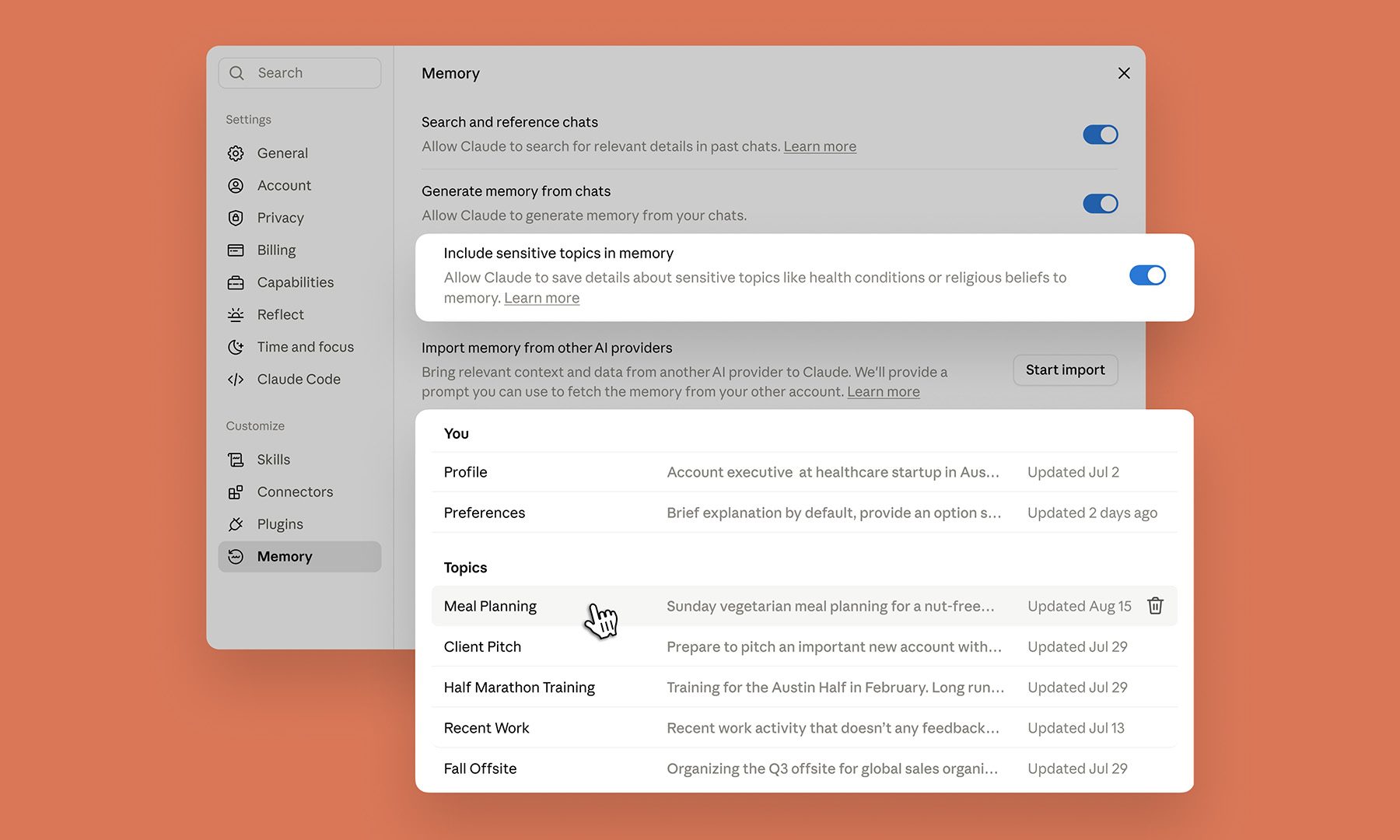
What’s more, is that there are still some categories Claude won’t store even with sensitive memory enabled, including sensitive identification numbers, criminal history, and immigration status. Additionally, memory can also be paused or reset whenever users want.
The broader idea is pretty straightforward: Claude is trying to make memory feel less like a hidden AI trick and more like a personal workspace you actually control. And by making that memory follow you from chat to Cowork and back again, Anthropic is removing one of the biggest annoyances of working with AI: having to tell it the same thing for the 47th time.
for informational purposes only. We do not claim ownership, accuracy, or liability for the content provided. All rights belong to the original publisher.