Three months ago, I traveled to China, and on the last day of my trip, a meeting with a company I had never heard of before completely changed my life. The company was YouWare, and the topic was AI tools and vibe coding.
I had heard of vibe coding before — it’s hard to be perennially online in the tech space and not at least encounter the topic — but the concept was mostly foreign to me. A few hours in an office in Shenzhen changed all of that.
First, meeting a team that features former product managers from major companies and seeing firsthand how easy it is to vibe code completely shattered any mystique about it. Second, meeting and interviewing Leon Ming, a founder with a strong pedigree from past tenures at Moonshot AI and CapCut, I finally understood vibe coding.
Since then, it’s transformed my life. Here’s how.
Software dreams can come true
If you think you know better, now you can prove it

This has been the biggest unlock for me: there are problems with the user experience in virtually every SaaS product, and it’s always driven me crazy throughout my career.
This includes attempting to build a WordPress alternative while running XDA, working with WordPress developers to build plugins, a separate foray into custom charts solutions for WordPress, and even an attempt to build my own newsletter process.
That list is especially prescient for one key reason: every one of those features is now in my new CMS. For over 20 years, I’ve had ambitions for software, but I lacked the time or patience to truly learn the code. Now, I mostly don’t need to know it, and this is the biggest unlock.

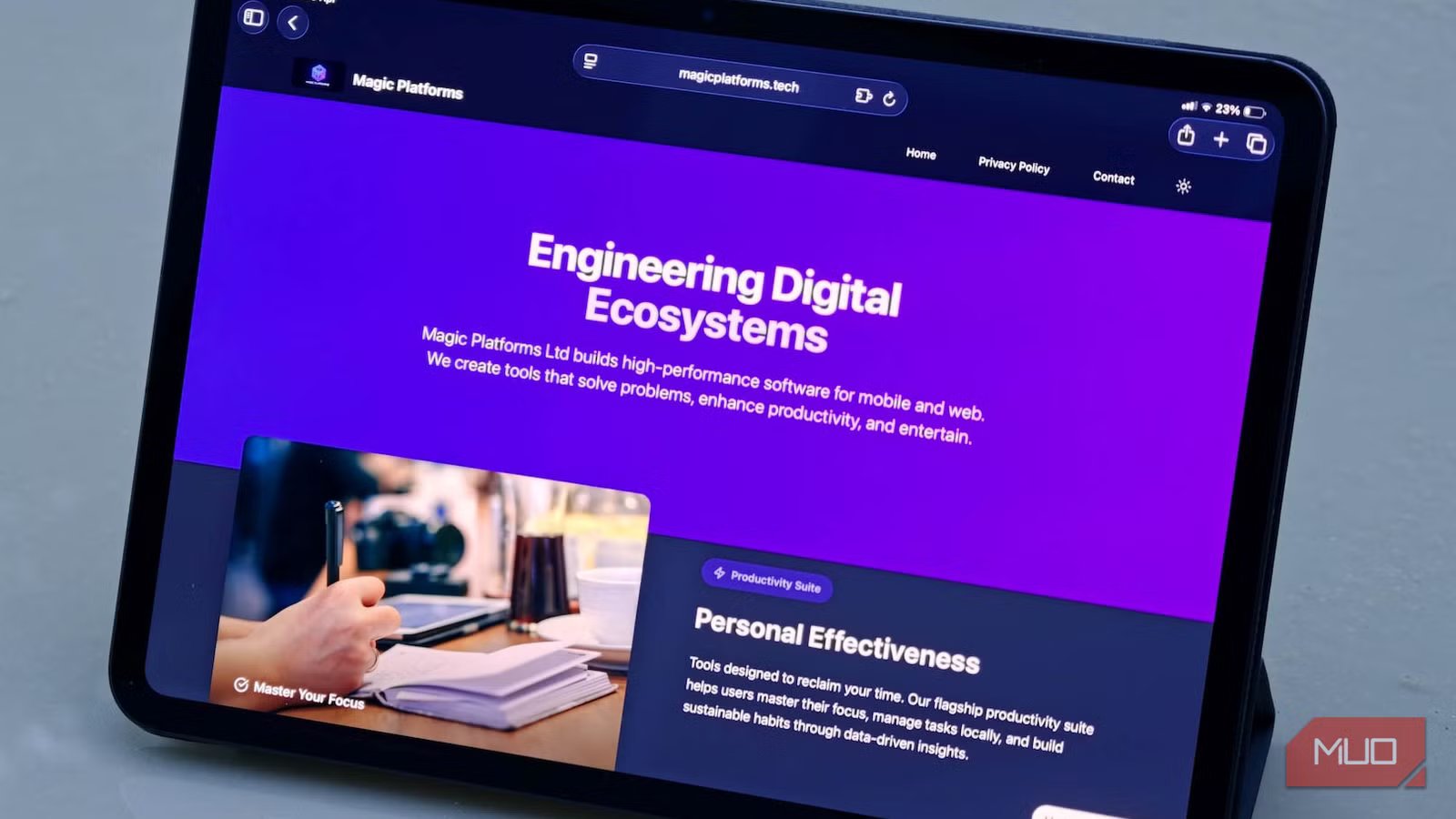
My vibe coding journey started with building an events platform for upcoming House of Tech events during major trade shows, quickly expanded into broader platforms, and then included another attempt to solve all the problems with WordPress. My new CMS combines workflows from everything I’ve experienced in 20 years as a reporter with the best of other platforms like Substack, Asana, Mailchimp, and several decisions I’ve consciously made to ensure it’s built for the next 20 years, rather than repeating the mistakes of the past 20.
That’s the key benefit: every industry disrupted follows the same pattern: a new upstart that learns from the incumbents’ mistakes. All it takes is an idea, and while previously you had to then find the people to build it, now all it takes is a sharp eye, a paid subscription, and a lot of time.

Google’s new AI Studio is a game-changer for vibe coding
In three months, I’ve vibe-coded multiple platforms, but always ran into problems with one key feature. Google’s new AI Studio just solved it.
The best (and worst) thing that can happen to you
You still make the same sacrifices as any developer

This is a myth, and something I wasn’t quite ready for: to make truly capable software that a team would build over many months, you have to make sacrifices. I reasoned that there were many reasons I wouldn’t be suited to that role in an in-person team, but, interestingly enough, there were fewer than I expected.
The key is to always tell AI to push back. Agents tend to lean toward agreeing with you rather than challenging your request, yet I find it far more useful when the agent thinks it through and guides me to the correct path. It’s no different from working with a human developer, except that this tends to give you instant access to far more knowledge (albeit with many pitfalls).
One thing you’ll have to be prepared for is the sacrifice. If you want to build SaaS products that have huge amounts of potential and are aiming to challenge established players, you’ll have to spend a lot of time iterating and refining them.
After three weeks during which I had at least one all-nighter each week, my sister and niece commented on how they hadn’t seen me. This is the real cost of vibe coding, and something you should know.

I had Claude, ChatGPT, and Gemini each build the same Chrome extension, and only one actually worked
Three LLMs, one prompt, and a lot of disappointment.
A shifting role for your gadgets
Things like tablets suddenly gain a lot more purpose

Before vibe coding, I owned certain gadgets for no real reason. After learning to vibe code and adopting a parallel agent workflow, all of these gadgets make way more sense now.
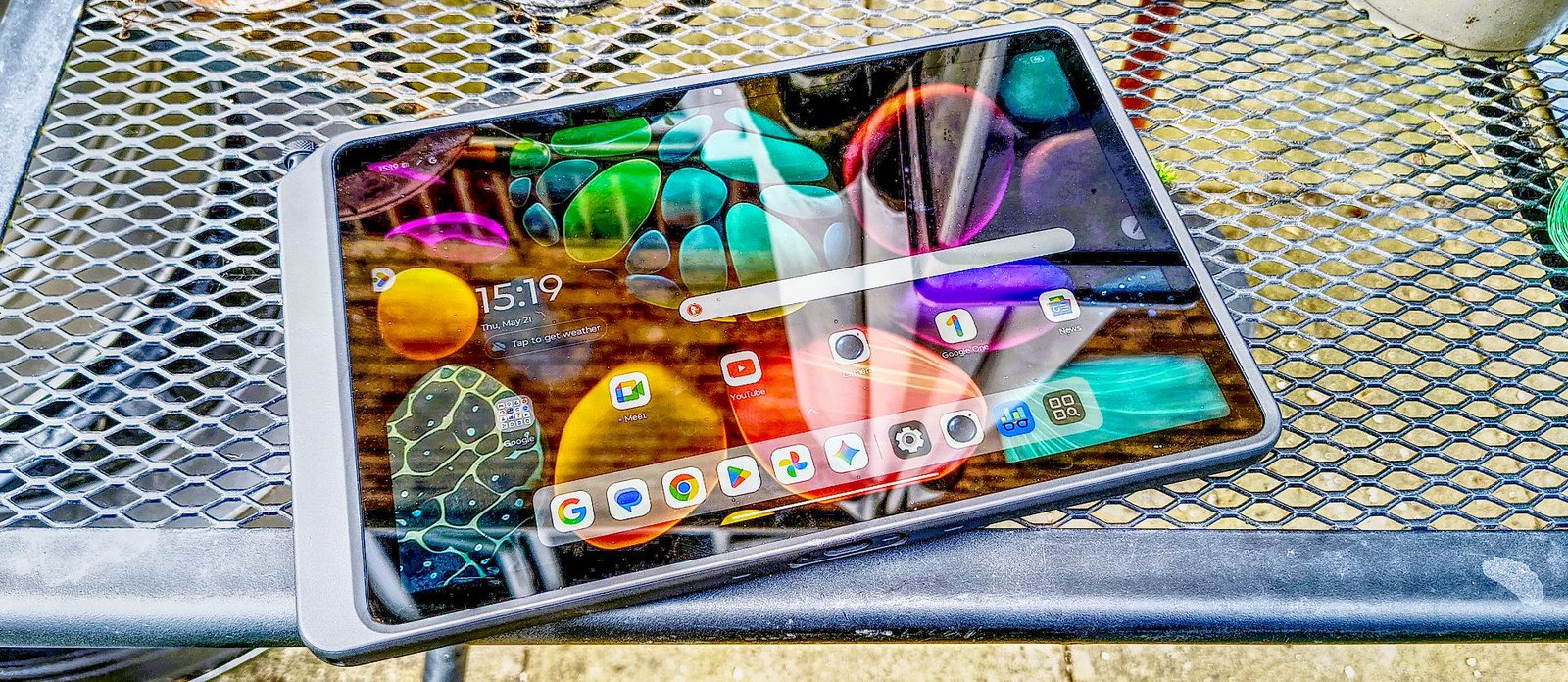
I’ve got a variety of tablets, including many of the best Android tablets and, of course, the new iPad Pro M5. I actually got this because of Workbench, a new Apple-exclusive app that lets you easily remote into your Mac from another Apple device. On Android, it worked well enough with Parsec or Splashtop.
I’ve gone from several tablets in a drawer to tablets in most rooms of my house. Still in a drawer, but charged up and able to access my Mac remotely at a moment’s notice. I’m aware this is the definition of a first-world problem, but that’s why I’m glad I still have all these tablets.

A custom launcher gave my Android tablet the desktop feel it was missing
Turning any Android tablet into a Windows 11 clone.
There’s one key downside
There’s just one downside to the ease with which you can build something: the human tendency to build everything. As the adage goes, just because you can do it doesn’t mean you should.
The same applies to vibe coding: not everything needs to be built. If you ask Claude to be honest, it will tell you not to bother building something. After all, just because you can build it, doesn’t mean you should.