

Your EV battery could be losing years of life because its cells age differently
[post_content]
Disclaimer: This article has been automatically aggregated from
Your Electric Vehicle‘s battery pack is only as good as its worst cell. That’s a real engineering problem, and a new study published in Nature Energy just put actual numbers behind how much it costs drivers over the life of a vehicle. Turns out, it’s more than most of us would guess.
Why did researchers dig into this?
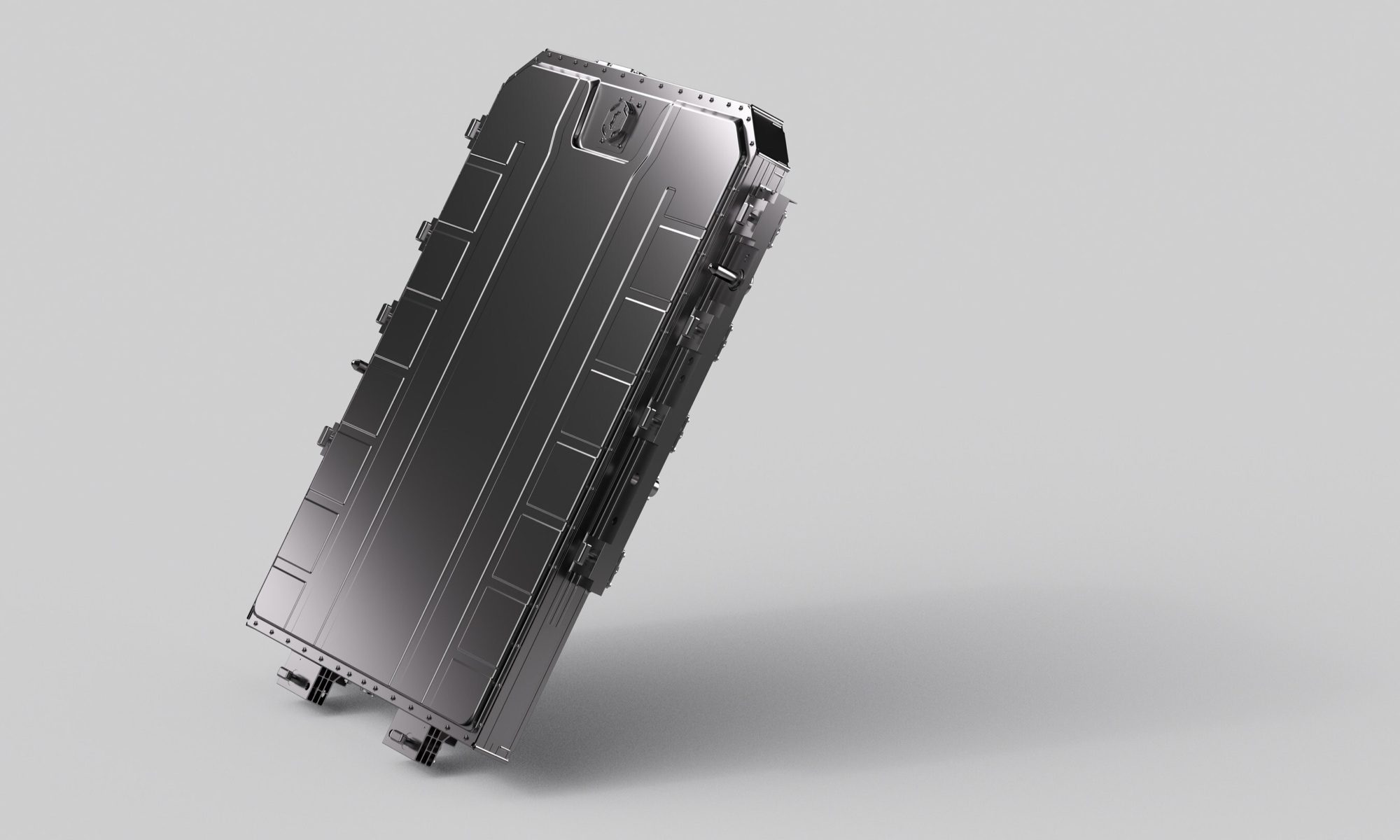
EV battery packs are built from hundreds, of lithium-ion cells working side by side. Manufacturers try to make each one behave identically, but small gaps in capacity and resistance show up early and only widen with age.
Researchers from Chalmers University of Technology, the Chinese Academy of Sciences, the Beijing Institute of Technology, and Zeekr Technology Europe wanted to put a real number on what this “cell-to-cell inconsistency” costs drivers. So instead of lab tests, they pulled operational data straight from 116 passenger electric cars running NMC batteries and 17 electric buses running LFP batteries, tracked for over three years, with some vehicles clocking close to 300,000 kilometers.
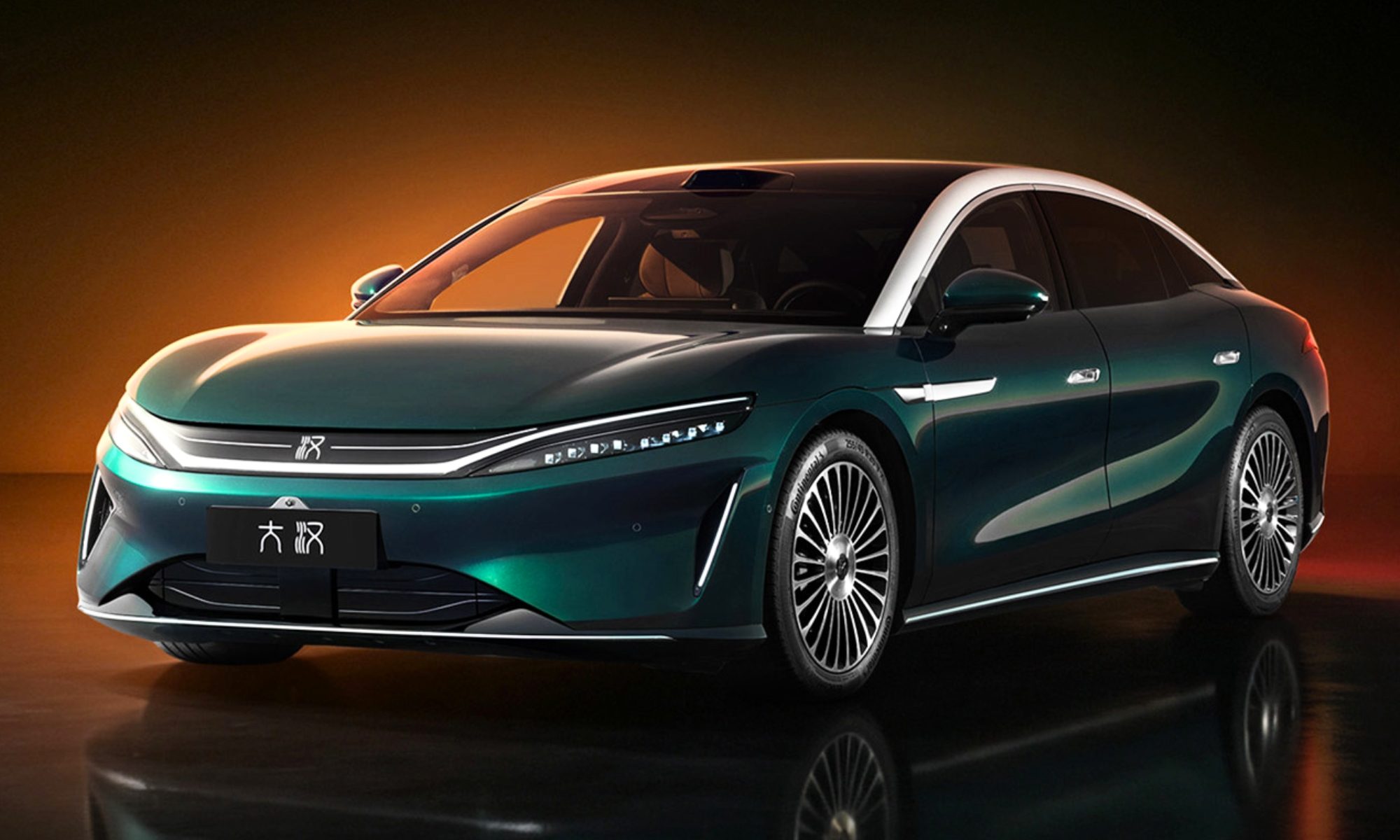
Speaking with TechXplore, co-author Changfu Zou explained it simply: “An electric vehicle battery pack contains many cells that must work together, but these cells do not remain identical as they age. In a series-connected pack, its performance can ultimately be limited by its weakest cell, much like a chain is limited by its weakest link.”
What did the numbers actually show?
Inconsistent cells shortened battery pack lifetimes by 18 to 23 percent and knocked 13 to 15 percent off available power. Cars retired with roughly a fifth of their usable energy untouched, buses left behind more than a quarter. Charge imbalance barely mattered, trimming usable capacity by less than 2 percent. The real problem was cells simply aging at different speeds.
Is there any way to prevent this?
Zou’s team points to better manufacturing consistency, smarter cell grouping, and sharper monitoring as fixes. They’re also exploring reconfigurable battery systems that adjust how individual cells get used based on their condition, which could stretch both range and lifespan further down the line.
for informational purposes only. We do not claim ownership, accuracy, or liability for the content provided. All rights belong to the original publisher.