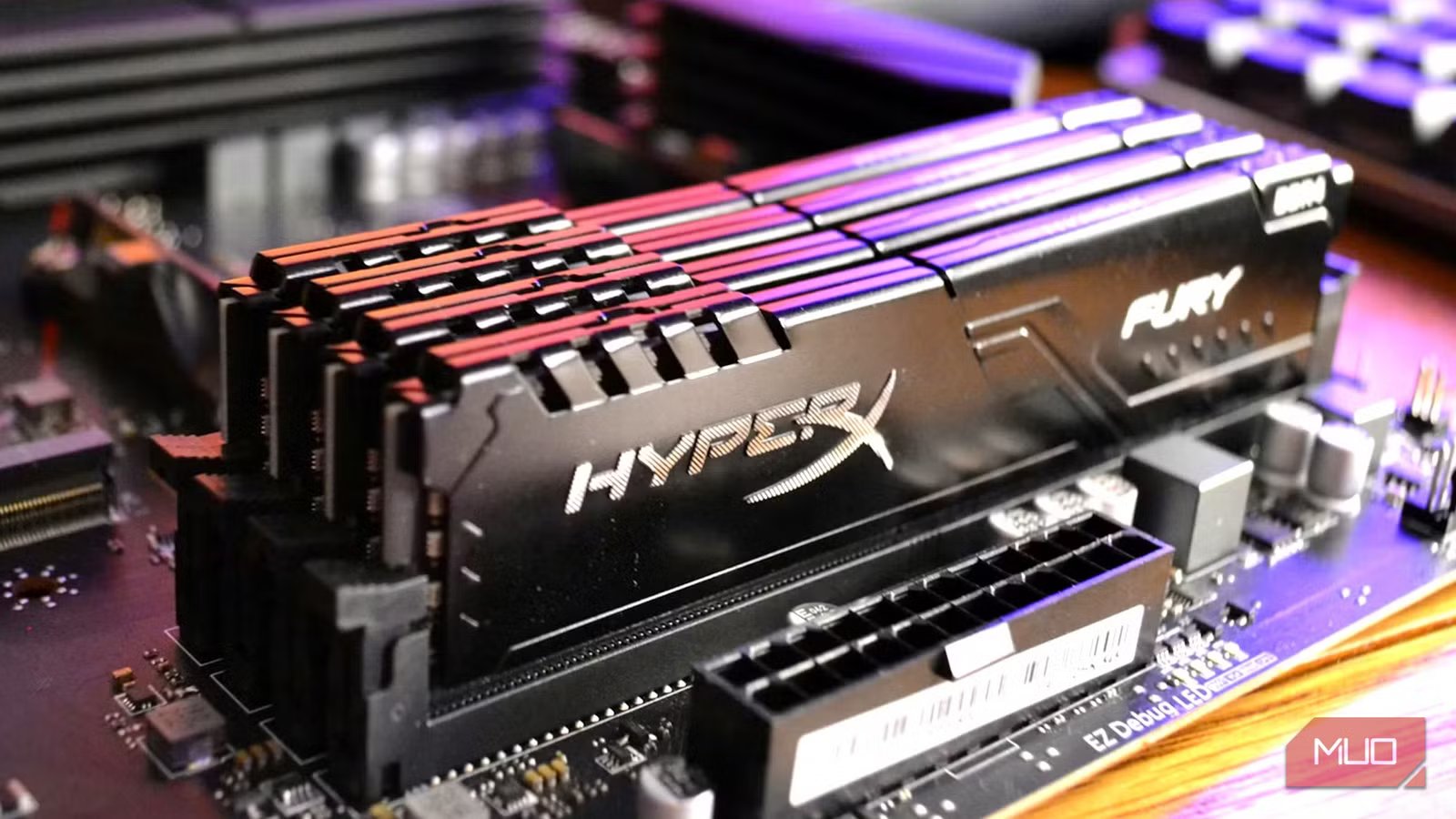
I live in a privileged tech bubble. My PC costs more than my car, and said system sports 64GB of DDR5 RAM. While my four 16GB sticks of Corsair Vengeance memory were hardly cheap when I picked them up two years ago, re-buying these modules at the time of writing would cost an unhinged amount. I’m talking upwards of $850.
The influence AI data centers are having on the memory market is unprecedented. Not only is RAM far more expensive than it used to be, but Big Tech’s obsession with artificial intelligence has potentially irreversibly warped the future of consumer technology. Make no mistake: “RAMageddon” is no longer a headache only hardcore PC gamers have to deal with.
The global memory crisis looks like it could last for years, and that’s going to affect everyone from high-end PC builders to folks looking to pick up a new smartphone or budget laptop.
Why is RAM so expensive right now?
AI continues to create pricing chaos across the tech world
Currently, RAMageddon is sadly the new norm in the tech world. What was once a key component in terms of PC building has now become the component that helps fuel our society’s increasing dependence on AI.
With multinational firms utterly obsessed with LLMs, memory manufacturers like Samsung have been forced to fundamentally adjust their business model. General consumers are no longer the priority when it comes to producing RAM. Now it’s all about servicing AI data farms.
In current times, it makes more financial sense for RAM companies to focus on supplying the needs of these farms than to waste energy on PC enthusiasts who want to build the most cutting-edge rigs. AI data centers consume colossal amounts of High Bandwidth Memory (HBM), and the demand for this type of RAM has massively gobbled into global memory stocks. And while I have you, this RAM spec everyone obsesses over matters less than this one most people ignore.
Seeing as there are only a handful of prominent memory manufacturers that are restricted to a finite number of factories RAM can be produced in, the unprecedented, AI-driven demand for memory is massively outstripping realistic supply chains. The new normal is that the likes of Corsair, Kingston, and Samsung aren’t going to be able to service consumers’ desire for RAM modules at previously fair market prices as long as RAMaggedon is unfolding. And spoiler: it doesn’t look like it will end anytime soon.
RAMaggedon is affecting the smartphone market
The days of RAM shortages just impacting PC gamers are long gone

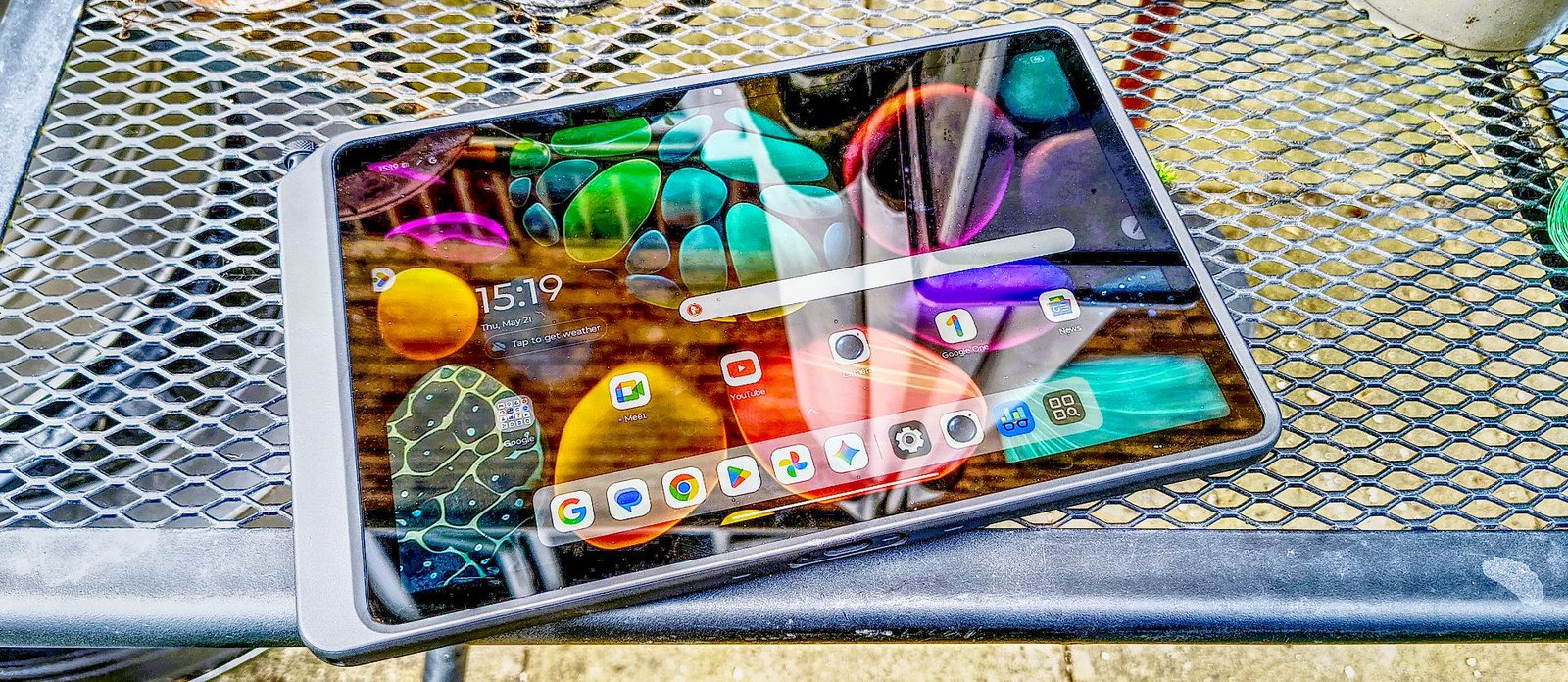
Though it’s initially easy to see why memory shortages would mainly be an issue for the PC world, in reality, the smartphone market has also been hugely impacted by the current RAM crisis.
With DRAM chips at an absolute premium, phone manufacturers are having to up costs compared to previous years when producing new mobiles. And it’s no surprise to see those rising costs hurting your average consumer’s change purse oh-so hard.
As shipments of new smartphones decrease worldwide due to RAMageddon, manufacturers are increasing the cost of their products. Ironically, it’s actually the budget end of the phone market that’s being hit the hardest. 4GB RAM mobiles are no longer profitable to produce, and it’s a little depressing to think a high-end 16GB smartphone represents a better value proposition than a lowly 4GB model at the time of writing.
Top-tier phones have higher margins, leading to greater profits, while the current RAM shortages continue to whittle away at the profitability of the budget smartphone market. For those of us on tight incomes who want a decent yet not decadent phone upgrade, RAMaggeddon is an almighty upsetting prospect for our beleaguered bank balances.
Is the RAM crisis going to end anytime soon?
Brace yourself for an unhappy ending

The finale of this particular tech tale is going to be roughly as cheery as Seven’s head-in-a-box parting scene. In short, RAM prices are unlikely to drop for the foreseeable future. Current projections cast memory costs to keep soaring into 2027 and beyond, because it’s unlikely AI data farms are going to become less reliant on RAM and NAND (Non-Volatile Storage) going forwards.
Providing Samsung and co. create new supply chains, memory prices may drop in the coming years, but that’s far from a certainty. As I write this, my Steam Deck has never been more valuable, and that genuinely annoys me. Global RAM shortages have not just impacted PCs and smartphones, but also Valve’s ability to restock its breakout gaming handheld.
Unless AI data farms suddenly go all Skynet on us and send Austrian Oak cyborgs to eliminate our leaders, the demand for memory modules from big tech sectors isn’t going to dissipate for a good while. All you can do in the meantime, if you’re a PC enthusiast or just looking to upgrade your aging smartphone, is to be on the hunt for enticing eBay or third-party Amazon seller secondhand RAM/phone listings.
The current RAM crisis is going nowhere
As much as I’d like to tie an optimistic bow to the end of this article, RAMageddon is like Thanos: it’s inevitable … and the wide-reaching impact on consumer tech is likely to last for years. Whether prohibitive smartphone prices are putting you off an upgrade or you’ve been dreaming of the Steam Machine for months and are now gloomily predicting what its tardiest launch date might be, memory shortages are most definitely not just the purview of PC-building dweebs.

- Brand
-
Corsair
- Size
-
16GB
- Technology
-
DDR5
- Speed
-
5200MHz
- RGB
-
Yes
Corsair Vengeance RGB DDR5 32GB (2x16GB) delivers high-speed 6000MHz performance with CL36 latency, optimized for Intel XMP 3.0 systems. Featuring dynamic RGB lighting and sleek heat spreaders, it enhances both aesthetics and efficiency. Designed for stability at 1.35V, it’s ideal for gaming, multitasking, and demanding PC workloads.