When you first start running, you’ll almost certainly go too fast in your early workouts. It’s very hard not to, because the first half mile feels easy and almost euphoric; a feeling that quickly disappears when your body catches up with the idea that you’re running and everything starts to hurt.
If you’re following any kind of training plan or just trying to enjoy running several times a week, getting your pacing right is vital. Easy runs need to be easy, and hard runs need to be the right level of hard, or you won’t enjoy your workouts and your progress will stall.

I’ve been running for over a decade and have followed a structured training plan for the past eight years, and I’ve tried all kinds of methods to judge my runs in that time, including pace, heart rate, power and running to feel.
Here’s what I’ve learned about each one during my time as a runner.
Running to pace

How to do it: You’ll need a running watch for this, or just a timer if you’re running on a track where you know the distance.
You can use current pace, lap/split pace, or average pace to judge your runs. I use lap pace to judge workouts, because the current pace will jump around more based on the GPS accuracy at any given moment.
Rolling pace can also be useful for pacing longer efforts. This gives your pace for the preceding mile or kilometer (or a set distance you configure yourself with some apps).
Pros: Pace is very exact and easy to understand, and if you have a goal pace for a workout or race, then it’s a clear target to shoot for.
Cons: Your pace can be affected by things like hills, terrain, wind, illness and temperature, which your watch won’t pick up, so you might not be able to hit the pace you’re going for and be working harder or easier than you planned.
GPS accuracy can also affect pace, especially if you’re in an area with a lot of tree cover or tall buildings, so you have to be careful when using it in city center races in particular.
Running to heart rate
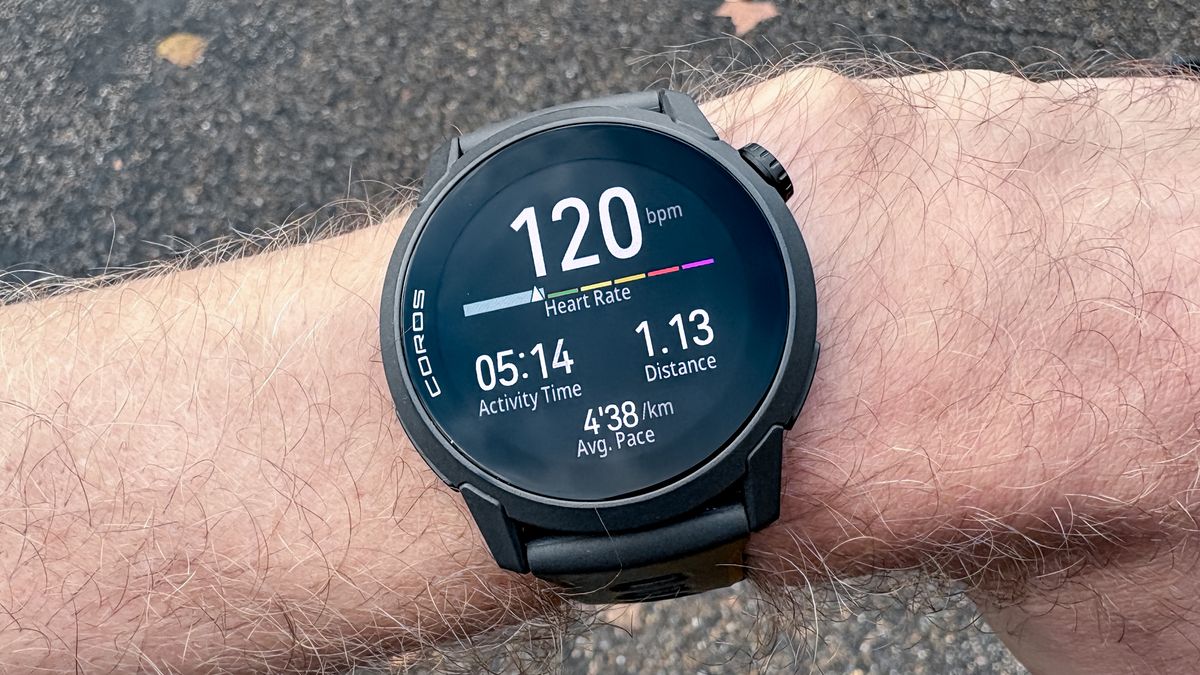
How to do it: Most smartwatches now have a built-in optical heart rate monitor, which is generally pretty reliable, but for the best accuracy, I use a chest strap or armband monitor that links to your watch to show your heart rate during runs.
Pros: Heart rate can give a better indication of how hard you’re actually working than pace, because it takes into account the effort you put in on hills or into a headwind, for example.
You can work in the right heart rate zone to produce the training effect you want from a run, like staying in zone 2 for easy efforts and pushing to zone 4 or 5 during intervals.
Cons: The preset heart rate zones on your watch will be based on a generic calculation that could be wrong for you, so you need to adjust them once you have a better idea of your max heart rate.
It can be frustrating to use heart rate when you’re new to running and find that you have to walk to stay in zone 2 during easy workouts.
If you’re aiming for a set time goal in a race, you might want to push for it regardless of what your heart rate is showing.
Running to feel

How to do it: Just go out and run! If it’s meant to be an easy run, then take it easy, and if you are doing a workout, try to judge your tempo and interval paces based on how it feels.
You can also use your breath or talking to judge running on feel. If you can maintain a conversation, you’re running easy; if you can only say a sentence or two, it’s likely a tempo effort, and if you can only get a word or two out, you’re pushing to your max.
Pros: No tech is required, and running to feel gives you a better understanding of your body and can feel liberating.
Sometimes pace or heart rate can artificially limit you, and when running to feel, you can achieve your best results without any pressure from stats.
Cons: It’s an inexact approach, and it’s very easy to overdo things when running to feel, especially if you’re a newer runner.
It takes experience and discipline to run to feel, especially on race day, when you can convince yourself you’re running easy but are actually pushing too hard early on in an event.
Running to power
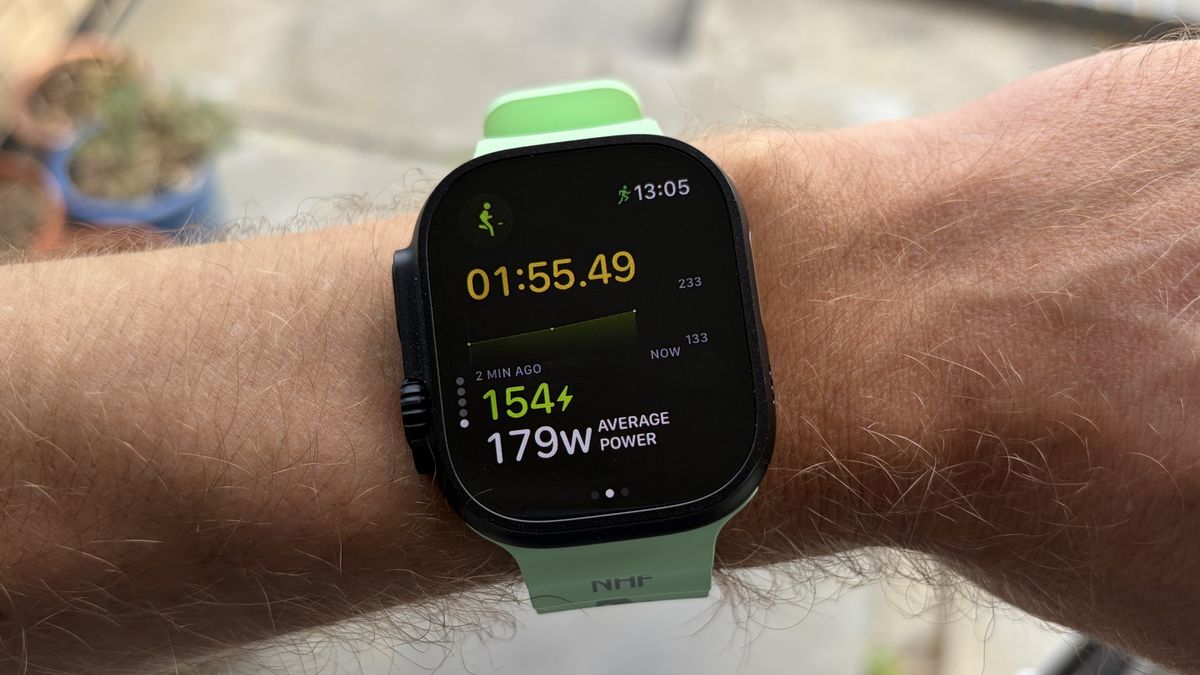
How to do it: Power is a catch-all stat for measuring the intensity of your run, which aims to take into account things like hills, pace and even weather conditions.
Running power is shown in watts and available natively on most sports watches, or you can get a footpod to measure power and beam it to your watch to view in real-time.
Pros: Like heart rate, power provides better insight into how hard you’re working than pace, because it takes into account external conditions.
Power also responds quicker to changes in effort than heart rate, and after using it for a while, you can work out your running power zones to train at different intensities, no matter what the weather is like or the terrain you’re running on.
Cons: Power is harder to understand for new runners than heart rate or pace, and I haven’t always found it to be that accurate in gauging my intensity during trail runs in particular.
It’s also not a direct measurement, which it is in cycling, where power is widely used. Running power estimates vary between brands depending on the algorithms they use, so you need to stick with one watch or brand for it to be consistent.
Follow Tom’s Guide fitness on Instagram for more workouts, routines, tips, and tricks.

Follow Tom’s Guide on Google News and add us as a preferred source to get our up-to-date news, analysis, and reviews in your feeds.