
Intel will make chips for Apple—what does that mean for Windows PCs?
Intel has reportedly reached a deal to manufacture Apple chips just days after rumors emerged of ongoing talks, and the consequences could be profound even if you’re an avid Windows PC user.
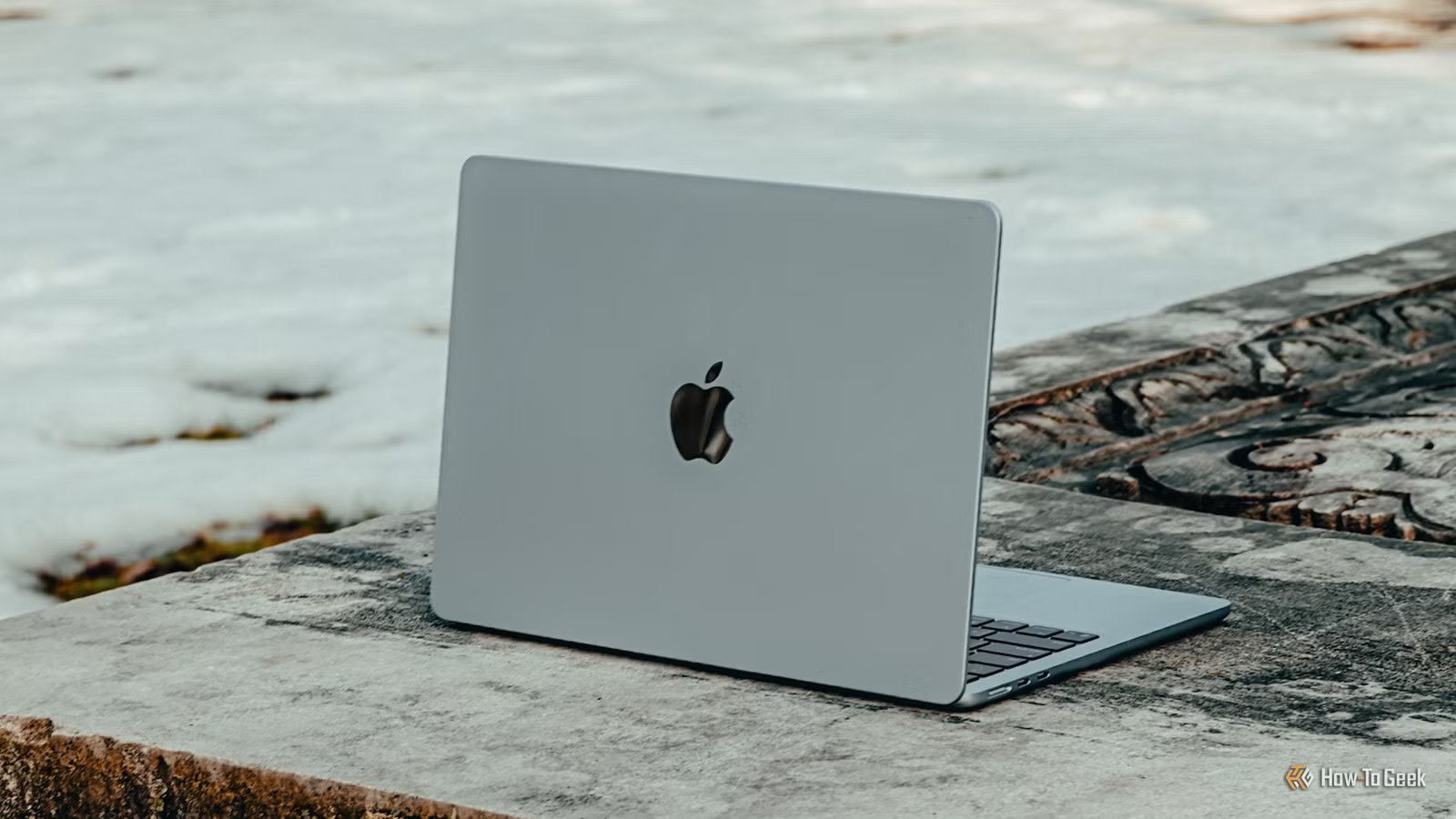
Sources for The Wall Street Journal claim Intel has secured a “preliminary agreement” that will have Intel produce some chips for Apple. It’s not known which devices would be covered, but Taiwanese semiconductor giant TSMC handles most of Apple’s manufacturing needs. Intel might focus on lower-volume products, such as the M-series chips powering Macs like the MacBook Air.
How-To Geek has asked Apple and Intel for comment, and will update if there’s a response. Apple’s Global Head of Procurement, David Tom, said in a February interview with The Journal that the company “talk[s] to Intel all the time” but didn’t share details. It’s not clear whether rumored talks with Samsung are still underway.
Negotiations reportedly started over a year ago, with the two producing a proper deal in “recent months,” according to the sources. The White House is said to have played a “key role” in getting Apple to talk with Intel, including direct advocacy from President Donald Trump and Commerce Secretary Howard Lutnick.
Wny do Apple and Intel need an agreement?
Shortages and financial shortfalls collide
Both companies have strong incentives to work together despite their once-legendary feud at the turn of the century.
Intel spent much of the past decade struggling to keep up in chip manufacturing processes, including a mutli-year period where it was stuck making 14-nanometer CPUs. That not only ceded ground to its chief rival, AMD, but left its chip foundry customers heading elsewhere. TSMC, in turn, has stayed on the cutting edge and makes 3nm chips for clients like Apple.

7 Apple Silicon Features No One Talks About
An Apple Silicon chip a day keeps the spinning beachball away.
Intel is recovering, with CPUs based on its advanced 18A process (such as Core Ultra Series 3) rolling out in large numbers this year. It also has deals with NVIDIA and SpaceX. However, the decline was still steep enough that Intel ousted CEO Pat Gelsinger in December 2024 and replacing him with outsider Lip-Bu Tan in March 2025. The U.S. government claimed a 10 percent stake in Intel last summer as part of a bid to keep the American chip giant afloat.
Apple, in turn, has been grappling with worsening shortages as demand for AI-friendly computers has affected its availabile supply. The company confirmed in its latest earnings call that hit computers like the MacBook Neo would be supply-limited for months, and it has even cut certain Mac mini and Mac Studio models after shipping delays grew months-long.
An Intel deal theoretically helps Apple catch up to demand. It also reduces the risk that politics, economics, or other supply chain headaches will limit supply, and gives the company more leverage — it can shift production to whoever offers the sweetest deal.
What does an Intel deal with Apple mean for Windows PCs?
Intel might have to support a competitor
Provided an agreement with Apple goes forward, Intel might face challenges trying to court Windows PC buyers.
This won’t necessarily lead to shortages for Windows PCs, as Intel is likely to factor its production capacity into any deal. Chips for Macs and iPhones could simply help Intel make the best use of its factories.
However, it could lead to some difficult choices in extreme circumstances. If a surge in demand from one company is high enough, it might have to sacrifice production for the other. That, in turn, could lead to delays or limited stock for your next CPU or laptop upgrade.
At the least, the apparent partnership puts Apple and Intel in a very different situation than they were 20 years ago. Apple switched to Intel processors in 2006 because IBM and Motorola weren’t making competitive PowerPC chips. Now, Intel is poised to make Apple-designed chips as it bounces back.